Swimmers

In the beginning, the universe was a pristine lake. The spirits of gods and creatures and angels swam in the void together, content to ride the waves and ripples created by their fellow Swimmers. The Swimmers didn’t need to see or hear; they could feel each other’s presences. Every little movement translated through the water and communicated their existence. There were no barriers between them. The gods protected the angels, who in turn protected the creatures.

Until, in secret, one angel began to desire self-sovereignty. In defiance of the gods’ Eternal Movement, the angel Jezero practiced perfect stillness and isolated himself from other Swimmers. Jezero soon grew bored of inactivity. The angel wished to move around without anyone knowing, to be completely hidden from others’ senses. Jezero desired darkness and silence. But in the unpolluted lake, there were no lights or noises, so there could be no darkness or silence.

Because he could stay perfectly still, Jezero could catch other Swimmers off guard. When creature spirits were trapped, they thrashed erratically, their splashes and waves calling on the angel spirits to investigate the frenzy. Jezero’s stillness allowed him to save strength, and he quickly overpowered other angels.

With the power of captured angel spirits, Jezero created the lights that became stars. For the first time, the Swimmers experienced the blindness of light, the oppression of darkness.

In an effort to protect the lesser Swimmers, the gods created objects to block the lights and ease their fear. As the gods created more and more things, the lake became more and more cluttered. The creatures and angels were alarmed by the vision of a cluttered universe. The spirits who were used to swimming freely could no longer swim without caution. The objects became barriers; the Swimmers could not feel each other. They were separated by mass and light. Jezero forced them to experience the isolation he so vehemently wished for and a chaos he began to enjoy.

The threat of a typhoon created by the creatures’ panicked movements loomed over the universe. Their ephemeral state was no longer safe. The gods gave the creatures physical bodies to protect their spirits from collisions and damage.

Without the ability to sense the ripples of other Swimmers, the creatures needed new ways to communicate. The gods gave them voices, but this new language was imperfect. Sounds were not true spiritual forms. Sounds marred the purity of Swimming, muddied up their their messages, created rifts.

Unable to control the lake’s flow anymore, the gods took a drastic risk to save the lesser Swimmers. The gods shattered the lake’s barriers, spurring on an Eternal Flood of the void and its masses that sucked creatures and spirits in all directions.

In the confusion, Jezero continued to harvest angel spirits, forming larger and brighter lights culminating with the Sun, a light too bright to be blocked by anything the gods created out of nothingness. They had exhausted their raw power; they could create no more.

With great sorrow, the gods took parts of the creatures’ corporeal bodies to form islands and shoals. The creature spirits were confined to smaller spaces. These new bodies were now too fragile to swim with the powerful angels and gods without drowning. They were confined to the surfaces of the nearest islands, spread so far apart that they soon forgot how to communicate across the universe. The Swimmers could no longer sense the trueness of each spirit, even as they learned to make beautiful noises and graceful movements.

The gods protected the fragile creatures and few remaining angels by forming a bubble around them, encompassing nine islands and their surrounding shoals. The gods wanted the lesser Swimmers to have a safe haven from Jezero and the universal storm.

Though this bubble kept the lesser Swimmers safe, it also kept them caged. The gods could not interfere any longer, could only watch as the creatures grew farther apart, fighting and miscommunicating and destroying.

Spiteful about the gods thwarting his every endeavor, as well as their continued effort to drive him from his solitude, Jezero occasionally emerged to attack the creatures and angel spirits. He used the forces of the tumultuous lake to throw rocks and stars at the bubble. Every so often these attacks punctured the bubble, eradicating creatures and maiming the vulnerable angel spirits. Islands and shoals became wastelands. The gods could not bear to see the creatures and angels suffer these attacks.

Through these small holes in the bubble, the gods communicated inelegantly with the angels. In order to continue protecting the creatures, the angels agreed to have their spirits and light trapped inside mortal bodies so they could communicate more directly with the creatures. The gods took special care with the angels’ bodies. These bodies were different from the creatures around them, for the angels could still unite and create. The gods siphoned parts of their own spirits, their own energies, into the angels’ mortal forms.

Satisfied by the relative safety of the lesser Swimmers, the gods used their spiritual sense to find Jezero amongst the now never-ending lake’s polluted and cluttered waters. The gods captured the corrupt angel spirit and pulled him apart into countless pieces. On occasion, these bits of spirit slip through the bubble’s protection via the unpatched holes. Jezero’s spirit manifests as evil thoughts and actions, unpredictable flashes of energy or storms, mass death and suffering in the form of disease.

The mortal angels face the continuous work of staving off the tyranny of disunity. They create music and dance and art, communities and tools and languages, all to protect the creatures and honor the sacrifice of the gods. These small ripples keep the boundless lake from stagnation and make their way through the bubble to comfort the gods in their loneliness until our spirits are freed from our mortal bodies to swim with the gods in the universe again.

-Ryn Baginski

Posted in Another New Era, Fiction Short Stories, stories | Tagged , , , , , , , , , , , , , , , , , , , , | 1 Comment

April 2023: Underrated Songs and (Mostly) Underrated Books

This month has been a wild ride for me emotionally, so I haven’t set aside much time to think or write about life. However, I am determined to keep to this schedule I set for myself, so I whipped up a quick post that pairs some of my favorite underrated songs with books I’ve read. It’s quick and simple, but I hope it’s fun!

“Apple Juice” by Oscar Lang: I Want to Die but I Want to Eat Tteokbokki by Baek Se-hee

  • Why: Sometimes life is the absolute worst, but you still get up and drink apple juice or eat your favorite food, no matter how hard. There’s always some reason to keep going, even if it’s tiny.

“Alaska” by Little Hurt: Are You Listening? by Tillie Walden

  • Why: People want to or are currently travelling to get away, not to get somewhere.

Had It Comin” by Peachie: Daisy Jones & the Six by Taylor Jenkins Reid

  • Why: Sex, drugs, and rock & roll was fun for a while, but the idealistic view we had inevitably falls apart, and now we’re here, looking back on “the good ol’ days” and realizing that maybe they weren’t as good as we thought.

“Buzzkill” by Baby Queen: Everyone in This Room Will Someday Be Dead by Emily Austin

  • Why: Disillusioned queer women who can’t help but be negative sometimes, even when life should be great and their loved ones are doing their best.

“Literally Dead!” by Make Out Monday: Cemetery Boys by Aiden Thomas

  • Why: A somewhat one-sided love story that flirts with and transcends death. Plus, “death” is a little ambiguous in both of these.

“Facedown” by Magnolia Park: The Last True Poets of the Sea by Julia Drake

  • Why: Water-based stories and metaphors dealing with complicated relationships, the idea of many types of love, and somewhat combative storytellers.

“Going to Hell” by Adeem the Artist: Real Queer America by Samantha Allen

  • Why: Queer people exist everywhere, even in the most conservative U.S. states! And these queer people can create amazing communities and art.

“Plea from a Cat Named Virtue” by the Weakerthans: The Travelling Cat Chronicles by Hiro Arikawa & translated by Philip Gabriel

  • Why: Cats and their physically/mentally ill owners.

아메리카노 Americano” by 10cm: Crema by Johnnie Christmas, Dante Luiz, Ryan Ferrier, and Atla Hrafney

  • Why: Coffee and warm-hearted, good vibes.

“Lizard Suit” by The Mountain Goats: Tomorrow, and Tomorrow, and Tomorrow by Gabrielle Zevin

  • Why: Sorta pretentious people trying to make waves in their own unique ways in very specific avenues. Plus, explorations of mental health and wellbeing when they’re tied to relationships with others and getting attention.

Honorable Mentions:

  • “Soft Boy” by Wilbur Soot: I Was Born for This by Alice Oseman
  • “Green Tea” by Shonen Knife: Café Con Lychee by Emery Lee
  • Pink Panther” by Scene Queen: The Summer of Jordi Perez (and the Best Burger in Los Angeles) by Amy Spalding
  • “Hit Like a Girl” by Meet Me @ the Altar: The Spitboy Rule: Tales of a Xicana in a Female Punk Band by Michelle Cruz Gonzales
  • “Best Friend Breakup” by Lauren Spencer Smith: This Is What It Feels Like by Rebecca Barrow
Posted in Another New Era, polysyllabic spree | Tagged , , , , , , | Leave a comment

Hidden Potatoes

Lady Southcott’s portrait stares down at anyone who enters the old kitchen. She is healthy, rich and supremely unhappy. On her cheek is a shiny purplish brown spider, translucent legs spread out to cover the side of her face. 

This portrait has been passed through generations of my family, as well as an arachnidan family tradition. Some people keep bees; we keep spiders. In the same hallway as the old, unusable kitchen, the three Spider Rooms house a healthy population of false widow spiders found only on our land. Every room has its own music box that plays a lilting tune I have heard nowhere else.

The spiders have never bitten me. They bit my mother once, before I was born, but she still doesn’t discourage me from exploring these rooms and observing the arachnids. 

Unlike most land, our estate was not passed down only to male relatives. Just the oldest surviving heir, and then later, the ones with enough time, money, and drive to keep up the old house. 

The town believes that Lady Southcott was killed by her greed. But I know it was the potatoes.

As The Great Hunger ravaged the Irish people, Lord and Lady Southcott lost much of their income, crops, and workers. The Protestant gentry of Damhán held a certain amount of pity for the starving tenant farmers and allowed them a portion of the potato crop. Of course, the gentry did not make concessions for the potatoes lost to the spreading plant disease, and so many had none left for themselves. 

Though their land yielded more potatoes and other crops than most estates in the town of Damhán, Lord and Lady Southcott did not eat any better than their peers. Lord Southcott had a soft spot for the two families who rented and farmed his land. He invited them into his home on occasion, even paid for a doctor to nurse a young girl and her mother back to health after the rest of their family was gone. Against all odds, the other family lost none of its seven members. 

The doctor was not so lucky with Lord Southcott’s health. The gentleman died an ugly death, his body slowly wasting away while the girl and mother got stronger. 

After her husband’s death, Lady Southcott continued to invite the tenants into her home. She let go of her house staff, who were largely loyal to the lord, and began to throw lavish parties for the Protestant gentry, flaunting her fortune and, most importantly, her surplus of foods—butter, peas, rabbit, beans, fish, honey, potatoes, potatoes, potatoes. The tenants prepared and served the food as they starved or else risked losing their land. 

The young girl and her mother languished in the kitchen under the intense surveillance of members of the other tenant family. Every day, the lady spared one random member of this family from their farming duties to watch the daughter and mother. This overseer was under strict orders to report any missteps. Lady Southcott took pleasure in punishing the daughter for her mother’s fainting spells; the heat pressed all of the water and air from their bodies. 

One day, while her mother gathered strength for the walk home, the daughter snuck away from the servants’ quarters and found a hidden closet. Nearly every shelf was full to the brim with Irish Lumpers. She had never seen this amount of food together, let alone just potatoes. The daughter had never been able to attend the lavish fetes; once all of the courses were prepared, she cleaned the kitchen and cared for her mother. 

The daughter snuck two potatoes into her apron before leading her emaciated mother home. She didn’t dare cook the potatoes in the lady’s kitchen. 

Her discovery gave her the energy to gather some coal, bake the potatoes into a watery soup, and traverse the space between the tenant houses to invite the other family, of whom there were still seven. Everyone got the same amount of food, save for the daughter’s mother. The mother had two bites and promptly threw them up. The rest of her soup went to one of the older sons who often shouldered much of his family’s physical labor. 

The daughter fed her mother sips of water as the feast wound down. She kept her mother as far from the coal oven as possible, though the air was too humid and hot on its own for this to make much of a difference. 

The next day, no one from the other family joined the mother and daughter on their slow trek to Lady Southcott’s kitchen. This was not odd. The two had been leaving earlier and earlier to accommodate the mother’s declining speed. 

Lady Southcott greeted them at the back door. This was very odd. 

She snatched the daughter away by the arm, fast enough to make the mother fall but slow enough to watch as it happened. Lady Southcott dragged the barely protesting daughter through a maze of hallways until they reached a familiar door. The potato room. 

“Two of my potatoes are missing,” the lady said, shoving the girl through the door. “You are now in charge of inventorying them.” She explained that these potatoes last two weeks before they are beyond their prime, and therefore not suitable for her quality fetes. In this hallway were three pantries—newly harvested potatoes, week-old potatoes, two-week-old potatoes. 

At the end of each week, the daughter would be in charge of dumping the old potatoes in the spot behind the mansion where all food waste went to decompose. They were afforded the dignity of rotting in private. 

The oldest child of the other tenant family, the one who had eaten the rest of her mother’s potato soup, stepped forward from the shadows. He was to supervise the daughter in exchange for two of the old potatoes per week to share with his family. 

Only three weeks after being appointed to her new position, the daughter’s mother could no longer walk. Five days after that, the mother was dead. 

The oldest child of the other tenant family got bored watching the daughter count potatoes. He sometimes napped or left to find snacks or harassed the daughter for attention. He tried to encourage her to steal or distract her from counting. But she never did anything wrong. 

She counted and starved and counted and cried and counted and cursed the lady of the house.

Every night, the daughter watched the spiders spin and unspin their webs in the dank corners of her home. More and more of them appeared inside as the weather got colder, but they stayed away from the coal oven. 

One day, she noticed a particularly dense and messy web underneath the oven. She hadn’t used it in days, instead choosing to shiver underneath the ratty blankets she still had. Near the edges floated a purplish brown gem. The daughter reached out to grab it before realizing the gem was really a spider. The familiarity of its shiny body and transparent legs unmasked the memory of a childhood illness.

Years ago, when she was little, a spider like this had bitten her leg. She’d gotten sick—nausea, rash, but most of all, horrible pain. The type of horrible pain she felt in her soul, in her wasting body. The type of horrible pain she wanted Lady Southcott to feel. 

For months, the daughter watched Lady Southcott’s parties growing smaller and smaller as even the landed gentry began to starve. The lady carried on like nothing was happening, even though she herself could have helped these friends. 

Whenever the oldest son was not paying attention, which became more frequent, the daughter explored the Southcott home to locate the lady’s bedroom. On her way, she stole odds and ends—a music box, an old coat of Lord Southcott’s, a book she could not read. She set the book open and upside down under the bed for the spiders to use.

Every night, she curled up on the floor in the lord’s coat and observed the purple and clear-legged spider, then spiders, weaving criss-cross webs underneath the book and eating the woodlice and generally leaving her alone. When she wound up the music box, the spiders seemed to spin faster.

The daughter felt some remorse for stealing a spider from its family. She felt no remorse for placing the spider in Lady Southcott’s bed. She felt no remorse for the second or third spider, either. 

The night she’d captured the fourth spider, the seven members of the other tenant family knocked on her door, informed her that the lady was sick, that they’d called for the doctor and the priest. The daughter was disappointed to learn that the priest was just a precaution. 

The daughter joined the seven others and ran to the house as fast as their weak bodies could go. They entered Lady Southcott’s room, stood in the back. She was sleeping. She looked healthy as long as no one looked too closely at the angry welts on her arm. When everyone was watching the priest perform Last Rites, the daughter slipped into the closet and waited for the room to empty. 

Lady Southcott’s face was twisted in agony, her muscles rigid and veins sticking out on her neck. Wearing the lord’s old coat, the daughter stepped out of the shadows and into the moonlight streaming in from the window. The lady saw her husband’s spirit approach her bed, emaciated and starved. Practically a skeleton. And here the lady was, well-fed, generally healthy, apathetic enough not to die of stress. Still, the lady was in inexplicable physical pain, her muscles seizing and her brain spinning.  

The daughter stalked forward until the lady could see that she was neither the lord nor a ghost. Simply a starving girl. 

“Does it hurt?” the daughter asked, plucking a small vial from her coat pocket along with a stolen potato. The daughter knew the lady didn’t count the potatoes, didn’t check on the numbers. Still, it was the first one she’d stolen since those two at the beginning. The potato she set on the nightstand next to the heavy pain medication prescribed by the doctor, just out of reach but still visible to the lady in bed. The daughter held up the vial to show its contents to the lady. “Are you in pain?” The daughter could not let the lady die if she hadn’t suffered. 

Improbably, Lady Southcott smiled. “Foolish girl. It has always hurt.” 

The daughter slapped the widow’s face, leaving a bright pink imprint on her cheek. The cork popped as the daughter opened the vial and plucked the contents out by its leg. The spider fit perfectly into the red spot on the widow’s cheek. She poked the spider until it bit down, releasing the final, fatal dose of venom into Lady Southcott’s body. “Good.”

Over the next few weeks, the Southcott estate turned over its entire staff. Six of the seven remaining tenant farmers were sent to a different farm after a last meal and gift of ten potatoes. The oldest child, a son, went missing, presumed cause of death starvation. 

Lady Southcott made a miraculous recovery despite never calling on the doctor or priest again. She never threw a lavish dinner party again. Everyone the lady employed to farm her land got an equal share in the crops. The excess food was sold, though none of it ever left the country. The potato closets were cleared out and divvied up. 

Slowly, the famine came to an end. The prosperity of the Southcott farm was no longer notable; it was instead moderate, normal. Soon the estate was no longer an estate. The newly generous lady allowed the hardworking tenants to purchase their own land, until the lady only owned the house and a modest lawn around it. The farmers still shared their wealth among each other and the lady. 

The lady married again, this time to a young farmer about the age of the girl who had poisoned her. In fact, Lady Southcott seemed to have reclaimed her youth. 

Lady Southcott was not killed by her greed. She was killed by excess potatoes. She was killed by the venom of a rare spider found on a small plot of Irish land. She was killed by the daughter of a starved mother. 

I know all of this because she told me herself. The daughter of the starved mother lived longer than anyone could have imagined during the Great Hunger. She redistributed wealth in her small corner of the world. She placed a symbolic potato on the lady’s nightstand and a practical venomous spider on the lady’s cheek. And then she took the lady’s name. 

Ryn Baginski

P.S. Thanks to the best sister ever, Alisha, for giving me feedback!

Resources:

Posted in Another New Era, Fiction Short Stories | Tagged , , , , , , , , , , , , , , , , , , , , , , , , , | 1 Comment

What Do You See When You Read?

When you read a book, a movie plays out in your mind, a vivid moving picture created entirely by the collaboration between your mind and the author’s words.

Until recently, I thought this was a total exaggeration. No way people are seeing the action in their minds, imagining characters and settings in detail.

I love to read so much. I love to write, too. It’s hard for a lot of people to reconcile these facts with a mind that doesn’t see a story in real time. In my defense, most books don’t give every single detail anyway. That would be exhausting. But I can’t say with any degree of honesty that this has never affected my writing.

Sometimes I leave out details or mention a detail and never come back to it because it’s only important in that scene. Sometimes my settings are a bit flimsy, more like a painting than an interactive space. And most stories I write are very cerebral; they take place mostly in a character’s mind.

All of these are things that have been pointed out to me in critiques and that I still save until later in the editing process to fix… (Sorry Editing Ryn. Forgive me!) Every writer’s got some obstacles in the way of creating the perfect story, and we can never get rid of all of them. And all people, writing skill aside, have weird quirks that we think are universal until someone else points out that, hey, most people don’t do that.

This is how my brain processes words on the page: Most of the time, I’m just reading words. I can hear them in my mind, like the voice in my head is telling me a story. Every once in a while, I see a snapshot—some boots resting on a stool in a bar. Or a character’s hair and ear and freckles. Just pieces of a moment. Very rarely am I seeing a whole scene play out.

I’m experiencing the storytelling and the story at the same time.

Side note: I think this is why I never really understood others’ upset when movies change the way a character or setting looked. For me, movie adaptations are good if they have the same feeling and capture the soul of a story. I couldn’t even say what that means, to be honest. The changes are made because of what works for different storytelling media. Again, focusing equally on the story and how the story is presented.

To be honest, this is pretty similar to how I experience reality. I only really notice certain things, and I’m usually thinking about what’s happening while it’s happening instead of just doing the thing.

I began to doubt my imagination when I learned that seeing things just as written words was not the most common way to read. Could I not picture things because my visual imagination was bad? Were my stories all narrative with no foundation? Was I delusional about my creative writing skills?

Then I discovered a condition called “aphantasia,” which means that someone is unable to conjure mental images of anything. Their mind’s eye is blind.

I think my mind’s eye has a minor cataract.

I’ve always had trouble creating visual art without a reference. Photography was much more my speed.

I also tend to remember things better if I’ve written them down or even just know how they’re spelled. For example, names. If your name is Caitlin or Katelyn or Kaitlin or any other variation of the name, I want to know how it’s spelled so I can differentiate from the other spellings. Everyone’s got a nametag in my head.

But the one thing I appreciate the most about the way I consume written stories is that I love the way the written word actually looks. I love how words look on a page or screen. I love observing how people form their letters differently.

I missed my calling as a linguist, let me tell ya. The anxiety of being wrong has kept me from genuinely attempting to learn other languages. I’ve got a firm grasp on the English language, to the point where I can edit and proofread formal American English professionally, and the way everyone sees me as a grammar nerd often makes me feel like I can never mess up. Everything that is “wrong” has to be intentional—weird punctuation, sentence fragments, improper grammar. I started to place these expectations on everything without taking into account that I had to start small with English, too. I’ve gotten out of practice of letting myself be bad at things.

Learning Spanish in grade school and high school made me feel similarly about Spanish, because I had been learning it for so long. Even though I wanted to continue learning, I was too afraid to take a college-level course. And I never saw a point to learning other languages because traveling isn’t one of my passions.

Recently, I’ve begun learning Hangul (the Korean alphabet), and I am discovering how differently sentences are formed in English versus Korean. I finally understand what my Spanish teachers had been trying to tell me: language and culture are inseparable. Available grammar and vocabulary influence how people form thoughts.

Language and reality affect each other all the time. If I know more words, I can understand more about my own reality as well as the many different ways my fellow humans experience reality.

Here’s the point: We live in a global culture, and even though this means I’m exposed to more and more unknowns, I love it. I love that learning languages can help me consume more stories in their original form. It can help me understand different cultures and ways of life with more nuance. Also, it’s just fun. At least for me. If I never have a practical use for the Korean that I learn, it will still have been worth it.

As I’ve said before, I’m a fan of the useless and random skill—card throwing, basic guitar, opening a soju bottle in a fancy way—and the same goes for useless and random information. It’s amazing how being removed from an academic environment for a few years has shown me that I can learn just to learn. I don’t need an end goal or clear purpose.

Living through a huge cultural trauma like an incredibly deadly pandemic (which, unlike the Incredibly Deadly Viper, is not a misnomer) forced me to appreciate that I could just do things I wanted to do. And I better do them when the whim hits me, because the world can change drastically at any moment. (Plus, quarantine gave me too much free time which I promptly filled with learning new things, a random boy band hyperfixation, and lots and lots of books.)

So as much as I wish I could see the same HD mental movie that most other readers see, missing out on one thing makes me appreciate something else that most people don’t notice. Written words are beautiful to me, no matter how they’re displayed or which alphabet they’re in. (Though what they’re saying can often mar that beauty.) It could be a five-year-old’s handwriting, fancy calligraphy, or Times New Roman 12 pt. font; it’s all art to me.

-Ryn Baginski

Posted in Another New Era | Tagged , , , , , , , , , , , , , , , , , , , , , , , , , | 3 Comments

Less Than Before

The boy appeared on the day Pluto vanished from the sky. He stood in the middle of the town square, transfixed by the fountain. A hand shielded his eyes from the sun’s midday light. His bare feet rested flat on the boiling cobblestones. Baggy brown clothes hung off his small frame as he watched water flow from the statue of a gondolier into the nine-sided basin like his invisible gondola had taken on water. The statue looked toward the sun’s resting place and held a long, serpentine oar in the water with both hands. But his hands were made of bones, and instead of a face, a skull sat underneath the flat straw hat.

According to town legend, the town’s founder had been returning from a European tour when he came upon this open meadow, the surrounding trees leaning toward the middle of the round expanse like a dome. Enchanted by the canals of Venice and haunted by the catacombs of Paris, the founder immediately stopped in this natural observatory—where the sky was so close and death so hidden—and erected the gondolier statue. The fountain had been built around it, the town square around the fountain, and the houses around the town square. Radiating from the fountain’s nine sides were nine districts—Recreation, Education, Agriculture, Banking, Industry, Theology & Tradition, Justice, Healing, and Memorial.

“Excuse me, are you lost?” A young woman rested a hand on the boy’s shoulder, sucking in a sharp breath at the chill of the boy’s skin. Even through the thin fabric, the boy felt like an ice sculpture, so cold that the young woman’s hand felt like it was burning. But the touch seemed to ground the boy, so she left it there as her fingers went numb.

The boy tilted his head up and, with his free hand, he pointed to the gondolier. “That looks like my brother.” And then his eyes returned to the sparkling water, mesmerized by its movement. The sound of waves was both comforting and out of place in the middle of a prairie in the middle of a forest.

The young woman calmly joined the boy and watched the sun twinkling in the water like stars on the ground. “The water always makes me feel calmer,” she said, hand reaching into the pocket of her loose jumpsuit—one that tricked the viewer into seeing a dress—and pulling out a coin that also glinted against the sun. “Do you want to make a wish?”

With hope, the boy asked, “Do you have a star for me?”

The young woman shook her head, loosening the hair that was only just long enough to tuck precariously behind her ears. “No,” she answered slowly, lifting the boy’s small, cold hand to place the coin in his palm. “But this coin is sort of like a star. You can throw it in the water and make a wish.”

The boy visibly brightened and took a slow step forward. Then he closed his eyes and his fist, whispering to himself before throwing the hand-sized star in the shape of a coin. Its arc through the air was somewhat askew from the normal way gravity pulled things down, but still it plonked into the water with a satisfying splash. The boy’s shoulders loosened as his eyes opened, and he reached up to hold the young woman’s hand. Her sun-tanned skin and long fingers dwarfed his tiny, pale ones by comparison. “Can I tell you my wish?”

She shook her head. “Then it won’t come true. But you can tell me your name.” The boy looked at her quizzically, so she added more, “My name is Kinsey. Most people in town call me Next.”

“Why?”

“Because my family works with funeral homes.” That wasn’t the whole story. She suspected she wouldn’t get the boy’s whole story, either.

The young woman had fought to be called Kinsey, insisted on a normal name because everything else wasn’t normal. She was the black sheep of the town’s crackpot family, and due to her family’s business in death, it didn’t take long for someone to connect the name to the phrase “Next of Kin.” The nickname spread through town like a flood, forcing her to concede to the majority.

It wasn’t a normal name, but it wasn’t the wrong one, either.

“Can you tell me your address? Or a phone number?” These were the first two things she had memorized after the ABCs.

The boy folded his collar inside out. “There’s a number here.”

134340. Too short for a phone number, too long for an address. The number had been written in precise block letters, and no smudges or marks indicated the rest had been rubbed off.

“Do you know where home is?”

The boy’s brow furrowed, icy blue eyes concentrating hard on remembering. He readjusted the belt he wore—the only clothing item that fit him properly—and said confidently, “Kuiper.”

Kinsey had never heard of a street or neighborhood or family nearby with that name. He must belong to a rare tourist, perhaps, or an even rarer new resident.

After a gentle struggle to tear the boy away from the fountain’s enchantment, Kinsey led the boy across the street and into the nearest building.

Though the Burney family made all sorts of textiles, their main business was in sewing custom shrouds for local families and funeral homes. The store’s location had sealed their fate, even though the town no longer followed strict guidelines on which businesses could exist in which districts. The Memorial District was still different, stained by its connection to the dead and dying. A connection that everyone feared but no one would acknowledge. Even the name was a euphemism, distancing residents from the true purpose of the district.

The town’s founder was dying when he reached the meadow. He had been dying for most of his life—a sickly child and a weak man—but he had the same desire for immortality that any healthy, strong person had. Many assumed that, as the founder of a town, he would name the town after himself. Or lay permanent claim to the fountain that housed his last living work of art. Instead, he commissioned a memorial.

An underground cemetery, a miniature catacombs, was dug and built underneath the Memorial District, its layout supposedly reminiscent of the Venetian canals. Upon his death, the entrance was to be adorned with his bones. And so forever, or until the catacombs crumbled, the founder’s skull would stare down at every soul and every corpse that entered the tunnels, every tear shed and every bouquet of flowers left behind. The founder’s legs and arms framed the doors, his hands became doorhandles, and the rest of his bones had been carved into works of art that were now abstract even if they had not started out that way. Some bones were inlaid into the doors and others were displayed beneath the skull, creating a beautiful yet no less macabre skull and crossbones.

Though the founder’s name and most of his story had been lost to history, though he left behind no heirs and no fortune, nothing at all except this town, he would not be forgotten. As long as people died and the living buried them, the founder’s memorial, and the founder himself, would continue to be seen. Immortality through death.

Usually when someone walked in and saw the shrouds on display, they became even more uncomfortable, no matter if they expected it or not. The boy stretched his arm out to run his fingers over the fabrics, already seeming more relaxed in the dimmer light.

Though she usually found it too cold inside, instant warmth rushed through Kinsey’s body as the boy let go of her hand to study a shroud that was fluttering faintly in a cold spot. The effect was ethereal, but a swift glance up revealed the vent blowing cold air into the room.

The boy ran his fingers gently over the ten embroidered symbols Kinsey had sewn on the fabric’s bottom edge, all symbols from ancient Greek classics. She had done this one for free; she had cried over it and felt the pain that made the finished piece more beautiful than anything she’d ever done. The beloved Classics professor had died quickly but not without great suffering.

The Classics professor’s partner refused to bury her with the shroud, claiming it was disrespectful to be buried with symbols of a false religion, with a symbol for the god of the Underworld and a simplified Minotaur that looked suspiciously like the Devil. In truth, the shroud was a sign of respect for the professor’s life work, her passion, her selflessness when it came to her students.

And now a small, pale, otherworldly boy was studying the symbols carefully, pausing at each one with a concentration Kinsey wasn’t used to seeing in kids. The boy’s lips turned up into a smile, erasing the confusion he’d worn on his features all day. The creases in his brow smoothed out and his eyes widened from their squint. He ran his tongue over his lips, which were so dry and cracked they looked painful.

“Do you want something to drink? Or eat?” she offered, flipping on the old antennae-d TV that sat on the counter.

A low whirring filled the air before a staticky image of a suited-up man behind a desk faded into view on the boxy TV’s screen. The man introduced “Booker Carlin out in the field” to report on Breaking News from the official observatory one town over.

“Is there popcorn?” And then, turning his head with some excitement, he added, “And water?”

Nodding her head, Kinsey led the boy away from the storefront and into the breakroom, where she placed a bag of popcorn in the microwave. The boy stared through the screen, enraptured by the spinning dish. Then the first pop! pop! pop! sent him skittering over to the sink, where Kinsey was filling a glass. The boy reminded her of a cat; he stared at the faucet as water flowed out and created small bubbles in the glass.

Soon the boy was settled on the couch with a blanket on his lap, a bowl of popcorn resting on his knees, and a glass of water tilted up with both hands as he chugged it down. His legs swung slowly back and forth, releasing small puffs of dust each time a foot connected with the underkept couch. Kinsey knelt down in front of him and waited for him to finish drinking. Then she tried again. Maybe with food and water and comfort, the boy could focus on her words. “So where is your family?”

Crunching loudly with his mouth open, the boy tugged on his collar where that number had been written. No answer.

Kinsey sat back on her heels and pursed her lips. “Maybe they’re in the museum?”

On the other side of the fountain, visible from the Burney family business’s front display windows, sat the town’s official museum—the one with town history, special exhibits that the next town over lent out, European history and influences.

With no solid answer from the boy, Kinsey decided to try to museum anyway. The boy’s fingers were greasier but no warmer as they walked hand in hand across the eerily empty town square. Usually, even in this heat and humidity, residents were gathered around the fountain to socialize or just dip their feet in for relief. Only big events and bad weather emptied the town square. Today, the weather was nice.

As they approached the museum’s front steps, the boy began to tug her off to the side. When Kinsey asked again where his family was, the boy just said, “No, the other one.”

Behind the official museum, hidden from town square, was a mainstay of the town’s Education District: the Mythology Museum, more commonly known as the Museum of Lies. The permanent exhibits included maritime ghost stories, Greek and Roman mythology, blurry photos of the monsters that might lurk in the surrounding woods, paranormal events documented in the catacombs, and astronomy & astrology.

No one was sure how long Miss Carol had been in charge of the Museum of Lies. She insisted she had always been there. Nothing and no one had proven otherwise. The questioning look Miss Carol aimed at the boy did not fill Kinsey’s heart with much hope that he’d been there with his family.   

In the Maritime Ghost Stories exhibit, the boy halted in front of a picture of a U.S. Navy report from WWII describing the disappearance of five planes and a subsequent rescue plane in the Bermuda Triangle. No traces of these planes had ever been found, no evidence they existed beyond official records and the few items displayed in this museum that Kinsey was certain had never been authenticated. The typed transcript next to the report contained one bolded and underlined phrase: “as if they had flown to Mars.” A few steps further and they came across the ghost ships display—miniature models of ships that had gone missing or were found inexplicably empty or that housed the souls of their previous passengers.

The boy slowly turned to face the shroud-maker, the dull yellow lighting turning his pale skin into an eerie mask of shadows. “Am I a ghost?”

“Why would you ask that?”

Not much could unsettle the shroud maker, not after years working alongside the shadow of Death, but this little boy’s question sent a chill through her body, goosebumps covering her skin. The cold and pale boy in front of her who had appeared out of nowhere and was awed by simple amenities like microwaves and running water—this boy made her nervous. But he’d eaten the popcorn and drank the water. She could touch him, too. Ghosts couldn’t do those things. Right?

Without blinking or looking away from the Navy report—even though Kinsey was fairly sure he couldn’t read it—the boy reached for Kinsey’s hand again. The icy chill of the boy’s hand barely registered in the cold museum. Still, she had to keep herself from pulling away. “I am… less than I was before.”

This answer wasn’t any less eerie. “What do you mean?”

“They told me I’m not what I used to be. Even though I stayed the same.”

“What changed?”

The boy shrugged and started marching determinedly forward as if he knew exactly where he wanted to be. Letting herself get pulled along, Kinsey remembered the days when she’d had to force change, to insist on a shift in worldview from those around her. How long it had taken just to be called “her,” and how some people still insisted on the old classification just because it wasn’t what they’d learned first. How she tried to hide in old books, which led her to the one person who saw her before she could show her self to everyone else. Maybe the boy needed someone to see him, too.

“People used to tell me I was something I’m not,” she admitted.

“What if they’re right? What if I am what they say I am? Is that okay, too?” The boy’s stony fingers tightened; he was holding his breath for her answer.

The uncertainty in the boy’s voice sounded familiar—felt familiar—and sent the chill from Kinsey’s hand to her heart. “Yeah, I think so. It’s like that quote: ‘I contain multitudes.’ You can be a lot of things at once.”

Brow scrunched up in a comically serious expression for a little boy, he contemplated Kinsey’s words, then stated as a matter of fact, “I think I contain oceans.”

A small laugh burst from Kinsey like a shooting star. “I think so, too,” she agreed. The boy grinned up at her, and Kinsey wondered how she could have thought, even for a moment, that he wasn’t real.

Back at the fountain again, the boy sat down on the ledge and dangled his feet in, kicking so water splashed and sloshed against the sides, reflecting the orange-pink of the sunset. Though the sun hadn’t fully ceded the sky to its lunar counterpart, the day had darkened just enough to see the faint image of a waxing moon. The boy bent his neck far back so he could look straight up. Kinsey sat next to him in the other direction, feet on the cobblestones instead of the water, and no matter how she tilted her head, she couldn’t see what the boy was looking at.

So she looked over at her family’s business, at the word “textiles”—a word that masked the true Burney family legacy. Because Kinsey wasn’t the first Burney to love sewing shrouds, and she wouldn’t be the last. She was just the next generation.

Kinsey smiled at the thought. Maybe “Next” wasn’t such a bad name for her. Maybe it was okay to be strange and have a strange name. The shroud maker named “Next” could just be one drop in her ocean of multitudes.

A cool breeze scattered the humidity, scared off the heat just enough to be comfortable. Still, nobody was out but the boy and the young woman.

“It’s harder to breathe without the sun,” the boy said, drawing Kinsey’s gaze back to him. His chest did seem to be expanding and contracting more visibly than before. Then again, she wasn’t entirely sure she’d seen his chest moving at all in the first place.

Before Kinsey could say or do anything to help, the boy reached into his pocket and pulled something out in his tiny fist. “People don’t usually see me.”

The boy’s feet stilled in the water. Fountain water continued to flow from the undead gondolier’s perch. The boy held out his fist, waiting for Kinsey to offer her palm so he could drop its contents into her hand—a small, freezing cold, concrete-colored rock the size of a nickel. Though heavier than she would have expected, the rock seemed barely held together, like it would fall apart or melt the longer it sat in her hand.

“What’s this?” Kinsey barely moved, feeling like a part of the fountain’s stone.

“A star. For you to make a wish.”

The little boy reached over and closed Kinsey’s fingers around the rock with both hands. She smiled and closed her eyes, feeling the warm air rush in as the boy let go of her hand. Containing the cold rock in her fist made her feel powerful, like she was protecting the town from an unnatural chill. Like she held a piece of the sky that no one else had seen.

A few drops of water hit Kinsey’s arms as the boy swung his legs out of the water, barely splashing.

Opening her eyes, Kinsey tossed the rock into the fountain, listening for the satisfying plonk! before facing the boy. He stood in front of her with water droplets frozen to his feet and legs. “Do you want to know my wish?”

The boy shook his head and grinned. “Then it won’t come true.”

Kinsey stared at the small, wet footprints on the cobblestones long after the boy had walked beyond the town square, beyond the Burney family business, beyond the catacombs entrance and the founder’s bones, beyond the news station broadcasting its Breaking News. Pluto had returned home.

Ryn Baginski

References I used to write this story:

Posted in Another New Era, Fiction Short Stories | Tagged , , , , , , , , , , , , , , , , , , , , , , , , , | Leave a comment

25 Quotes for 25 Years

This month, I turned 25, so I thought I would compile 25 quotes that have given me wisdom, laughter, and/or comfort throughout my life so far. Hopefully they can offer something to you too!

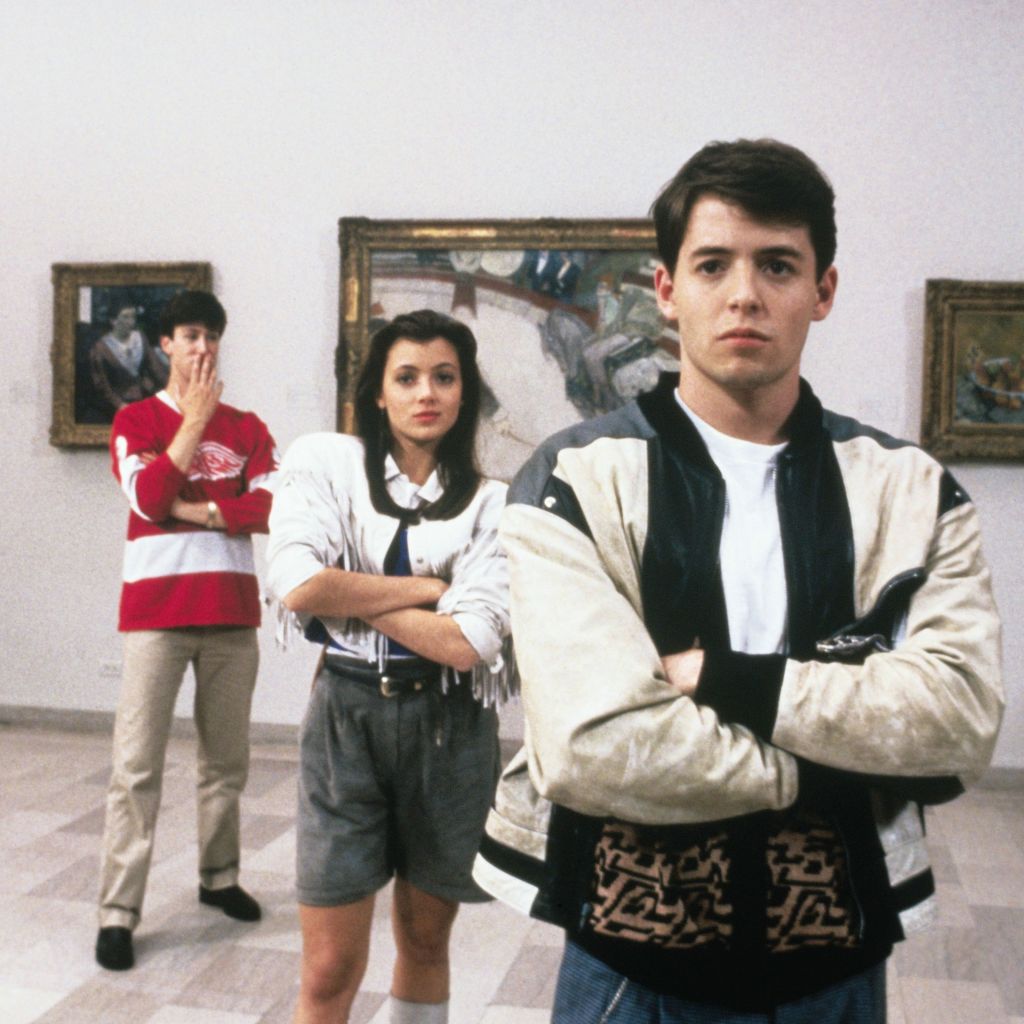
“Life moves pretty fast. If you don’t stop and look around once in a while, you could miss it.” -Ferris Bueller (Matthew Broderick), Ferris Bueller’s Day Off

A great reminder from one of my favorite movies. It’s okay to live your life, do all the normal things, follow a routine, etc., but you have to make the effort to be present every now and then. You have to take advantage of that thing called “free will” in order to enjoy the small moments and the big events.

“At least I carpe’d that one diem.” -John Green, Paper Towns

This quote has a similar meaning to the one above. There’s no use feeling guilty about living a “boring” life, or letting some opportunities pass by. It’s the opportunities you decide to take that matter in the long run, not the ones you miss.

“To Seeking.” “To Finding.” – Erin Morgenstern, The Starless Sea

The only toast I ever want to make. We’re all looking for something, and what better offer of goodwill is there than to toast to the finding of that thing? In The Starless Sea, both the journey and the conclusion are important. They give each other meaning, and neither can have meaning without the other. Journeys must end so new journeys can begin. Thinking about life like this brings me so much comfort.

“Just ’cause you put syrup on something, don’t make it pancakes.” -Shawn Spencer (James Roday Rodriguez), Psych (S6E15)

Sugarcoating things doesn’t fix the problem. Pretending (or gaslighting) doesn’t change reality. Pancakes are delicious. (Wait, I’m not sure that last one fits. But it’s true, isn’t it?)

“We think of ourselves as individuals, but the world acts on us as a collective.” -Hank Green

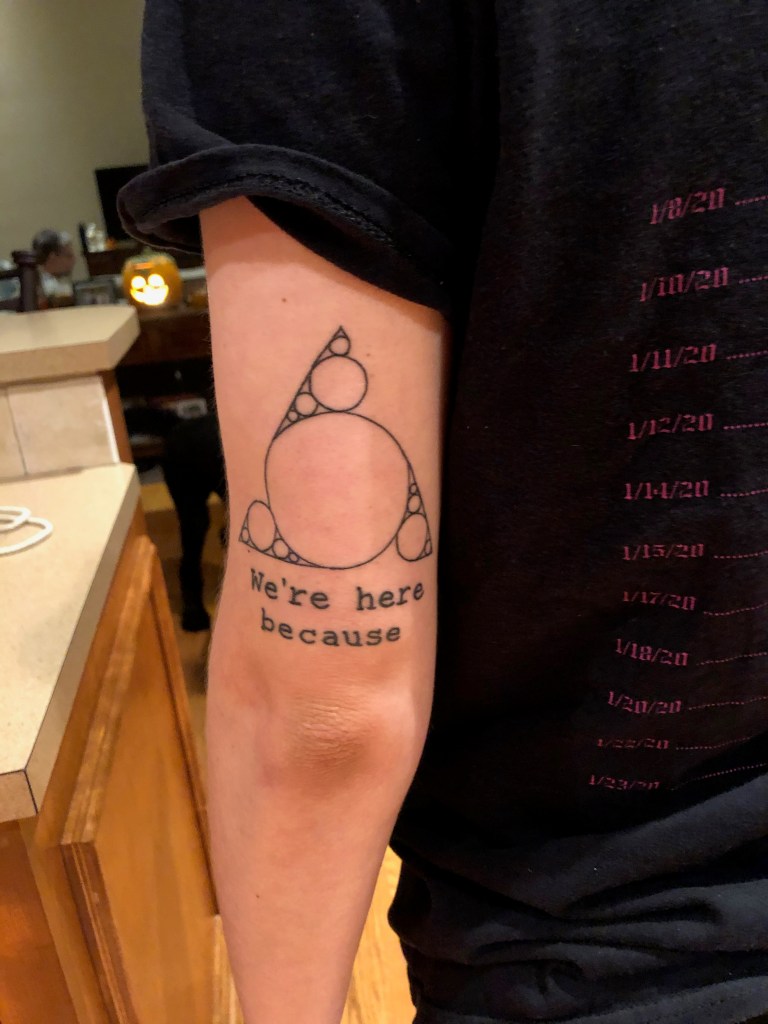
My tattoo of my fave forms of infinity

I don’t remember when or where I heard Hank say this, but I wrote it down and still think about it. It’s a lesson I feel like everyone should have learned by now (especially after COVID swept the world), but alas, this lesson still needs to be learned. Individualism doesn’t die when we start thinking collectively. Value your communities, everyone!

“We’re here because we’re here because we’re here…” (to the tune of “Auld Lang Syne”) -mentioned in John Green’s The Anthropocene Reviewed

This is one of my favorite forms of infinity, because it creates a piece of art out of our collective existence just by stating that we exist. Some positive nihilism never hurt anybody!

“Do you ever feel like you’re only doing things because everyone else is? And you’re scared to change? Or do something that might confuse or surprise people? Your real personality has been, like, buried inside you for a really long time.” -Nick Nelson (Kit Connor), Netflix’s Heartstopper

The first time I watched Heartstopper, this scene made me *feel things.* It was one of those moments when something I’ve felt has been put into the perfect words, words I couldn’t find for myself. Almost like a mantra, I now constantly remind myself that I don’t have to be the same person I was yesterday. Change is not something I need to regulate; change is something that I can embrace as frequently or infrequently as I want.

“Is this thing safe?” “Safe as life.” -Maggie Stiefvater, The Raven Boys

Motivation from the legendary Richard Campbell Gansey III. If you wait for things to feel 100% safe, you’ll never do anything. You can’t let fear stop you from doing things. You have to do the things with the fear still there.

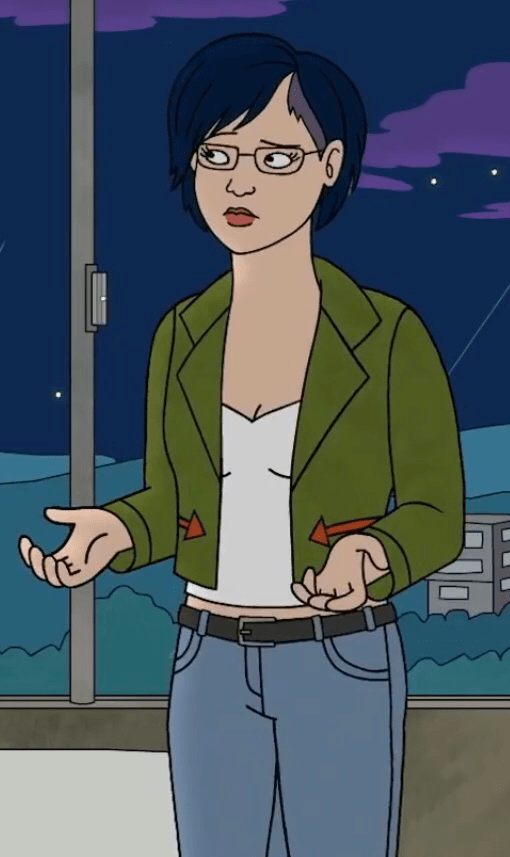
“There’s no such thing as bad guys or good guys. We’re all just… guys, who do good stuff sometimes and bad stuff sometimes. And all we can do is try to do less bad stuff and more good stuff, but you’re never going to be good because you’re not bad.” -Diane Nguyen (Alison Brie), Bojack Horseman (S5E12)

Diane’s character development in Bojack Horseman really resonates with me, both as a writer and as a neurodivergent person. This is just one of many Diane quotes that put a complex truth into simple words.

I don’t believe people are inherently good or bad, nor are most objects and actions. It’s taken a lot of effort, but I’ve become comfortable with gray areas. I feel at peace with unknowns and outside-the-box-ness. Unpack those boxes!

“You hope it was a miracle. But probably not.” -John Mulaney, New in Town (2012)

a.k.a. Hope for the best, prepare for the worst. Realism at its best (and funniest).

“Titties out is a gender-neutral look.” -tumblr post (can’t find original post)

I just think about this quote a lot. It challenges gender norms and double standards in only six words.

“And if I couldn’t walk, I’d crawl to you, and no matter how broken we were, we’d fight our way out together—knives drawn, pistols blazing. Because that’s what we do. We never stop fighting.” -Leigh Bardugo, Crooked Kingdom

This is the only quote about loyalty (that I’ve come across) that I don’t find entirely problematic. There’s no blind faith involved. It’s a loyalty that goes both ways, a respect for and trust in each other as equals.

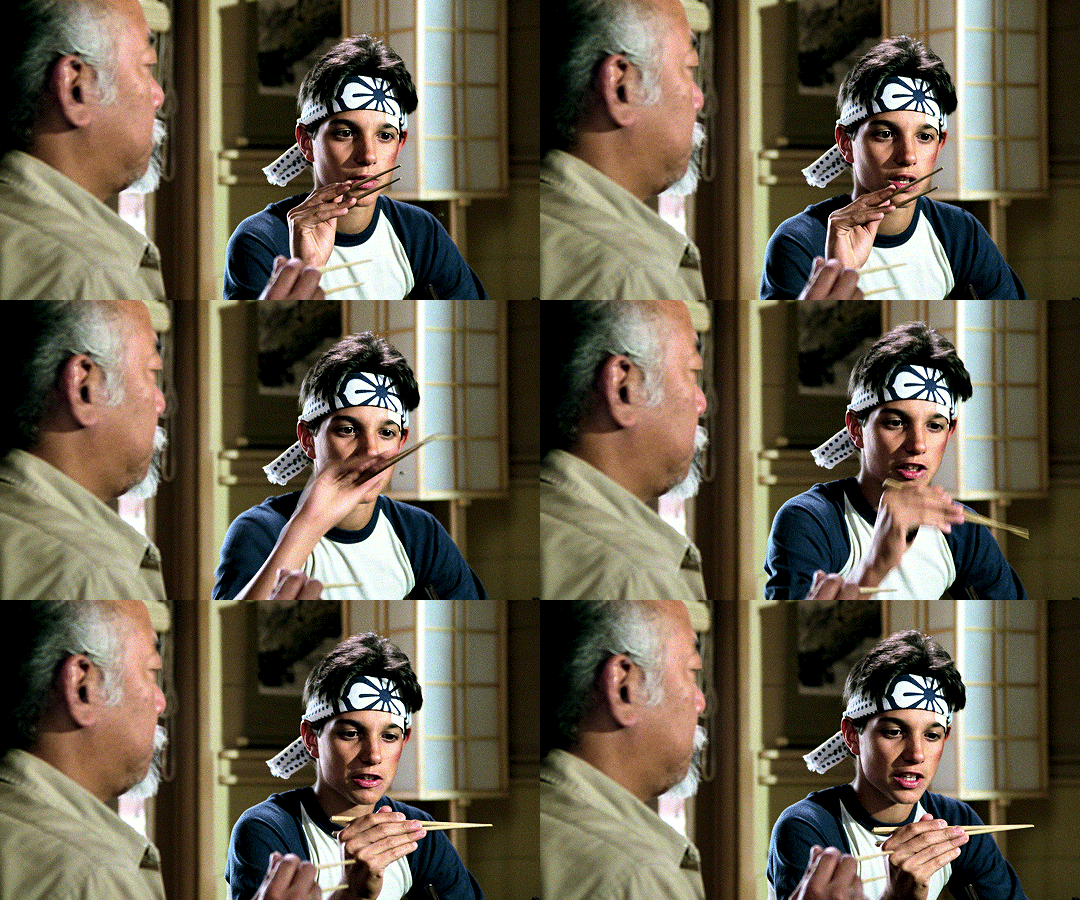
“Man who catch fly with chopstick accomplish anything.” -Mr. Miyagi (Pat Morita), The Karate Kid (1984)

The journey toward a near-impossible feat is the thing that matters, not actually accomplishing the feat. On the way to trying to do this difficult task, you learn and grow. Just by trying, you’re accomplishing more than you thought you could.

Mr. Miyagi even admits that he hasn’t caught a fly yet. When Daniel catches one right away, Mr. Miyagi gets annoyed because it disproves his lesson. But I don’t think it disproves his lesson. Something that you might find incredibly difficult might come easily to another person. We need to judge ourselves by our own personal standards, not by comparison to others.

“With great power comes great responsibility.” -Uncle Ben (Cliff Robertson), Spider-Man (2002)

An iconic line that needs no explanation.

“No I ain’t happy yet / But I’m way less sad.” -AJR, “Way Less Sad”

Achievable goals! When it comes to emotions and mental health, every step forward is something to be celebrated.

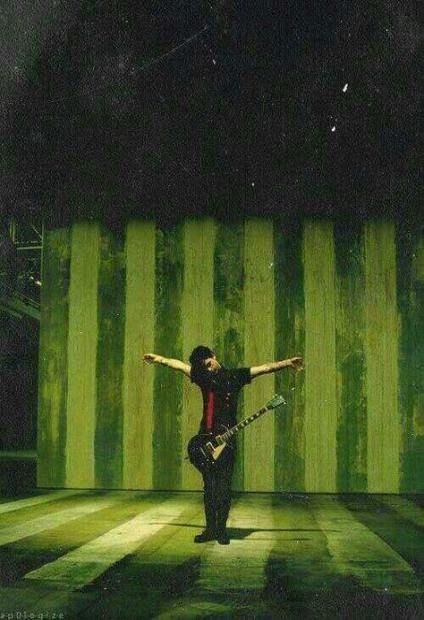
“There’s nothing wrong with me / This is how I’m supposed to be / In the land of make believe / Who don’t believe in me.” -Green Day, “Jesus of Suburbia”

Sometimes you can do everything right and be true to yourself and try super hard, but if the world was not made for people like you, living life can be hard. I often feel like the world was not made for me, and it’s one of the most frustrating feelings in the world. I’m a trans person with chronic illnesses who doesn’t want to work a typical 9-5 job. I like to take my time and move slowly in life. I don’t always monetize my skills and like to learn just for fun.

All of these traits are incongruous with the world I live in. But I believe everyone can find a pocket of the world to belong in, even if you have to make it for yourself. Handmade pockets are better than no pockets; anyone who’s ever worn a dress can attest to that.

“Can you look at me? / ‘Cause I am blue and grey.” -BTS, “Blue & Grey”

Sometimes all I want when I’m sad or hurting is for someone else to notice.

“‘Hope’ is the thing with feathers— / That perches in the soul— / And sings the tune without the words— / And never stops—at all—” -Emily Dickinson

I love this poem so much, because Emily Dickinson shows how hope is always there even if we can’t sense it. You have to look for it at times, but hope will never fully abandon you.

“One light goes out, they all go out!” -Bob Rivers, “The Twelve Pains of Christmas

This one’s a little facetious, but besides the universal holiday-decoration light problems, I can look at this quote and see that it’s also about noticing how one small failure can affect so much more than that one moment. Every small action has a wide effect; it’s just more obvious when it’s a negative effect.

Plus, this song is funny, and we all experience holiday stress of one form or another. Might as well make some jokes about it!

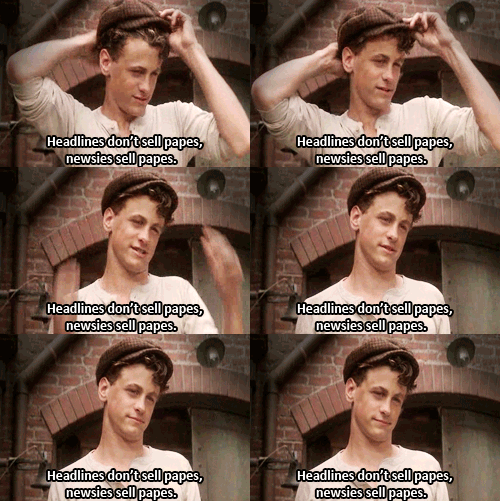
“Headlines don’t sell papes. Newsies sell papes.” -Jack Kelly (Christian Bale) & David Jacobs (David Moscow), Newsies (1992)

a.k.a. We make our own fates, but we have to use the tools given to us by our circumstances. The newsies make the most out of bad headlines, and they get to exercise their creativity while they’re at it, even if it’s something they have to do to survive.

“Well, what is much?” -Jess Mariano (Milo Ventimiglia), Gilmore Girls (S2E5)

Everything is relative! All reading is reading, no matter the format! Flirting with literature is the best!

“You want weapons? We’re in a library! Books! The best weapons in the world! This room’s the greatest arsenal we could have—arm yourselves!” -10th Doctor (David Tennant), Doctor Who

In my opinion, this quote isn’t actually about books. It’s about knowledge. Knowledge gives you power. And just like words, knowledge can be wielded as a weapon. (Also, support your local libraries!)

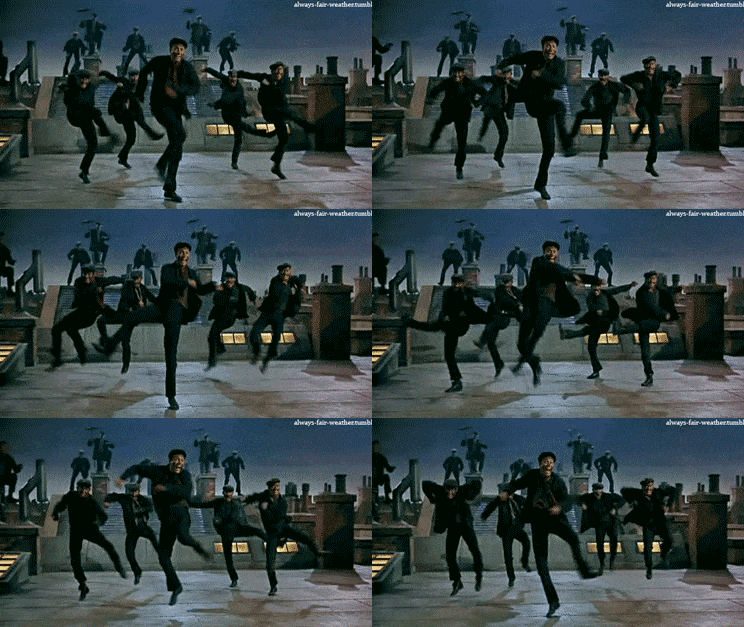
“I does what I likes, and I likes what I do.” -Bert (Dick Van Dyke), Mary Poppins

The first half of this quote is basically the age-old advice to only do the things you love, but I think Bert, as someone in the working class, understands that we can’t all do what we want all the time. We can, however, find something to enjoy in everything we do.

When you can choose, do the things you like. When you can’t, find something good in the things you have to do.

“We don’t really know where this goes, and I’m not sure we really care.” -Bob Ross

I was flipping through a book at the library when I came across this Bob Ross quote. He was talking about a painting of a pathway that fades into the horizon, but like all good Bob Ross quotes, it’s actually about life. You pick the journey that feels right for you even if you don’t have a clear end in sight.

“If you have an idea that you genuinely think is great, don’t let some idiot talk you out of it.” -Stan Lee

Because if Stan Lee had listened to idiots, Spider-man wouldn’t exist, and wouldn’t the world be worse without Spider-man?

Alright, that’s it for the wisdom I’ve gathered thus far in life. Here’s to the second half of my twenties! I hope they involve more tattoos, lots of good books, time with people I love, laughter and smiles, and five more years of eclectic quotes.

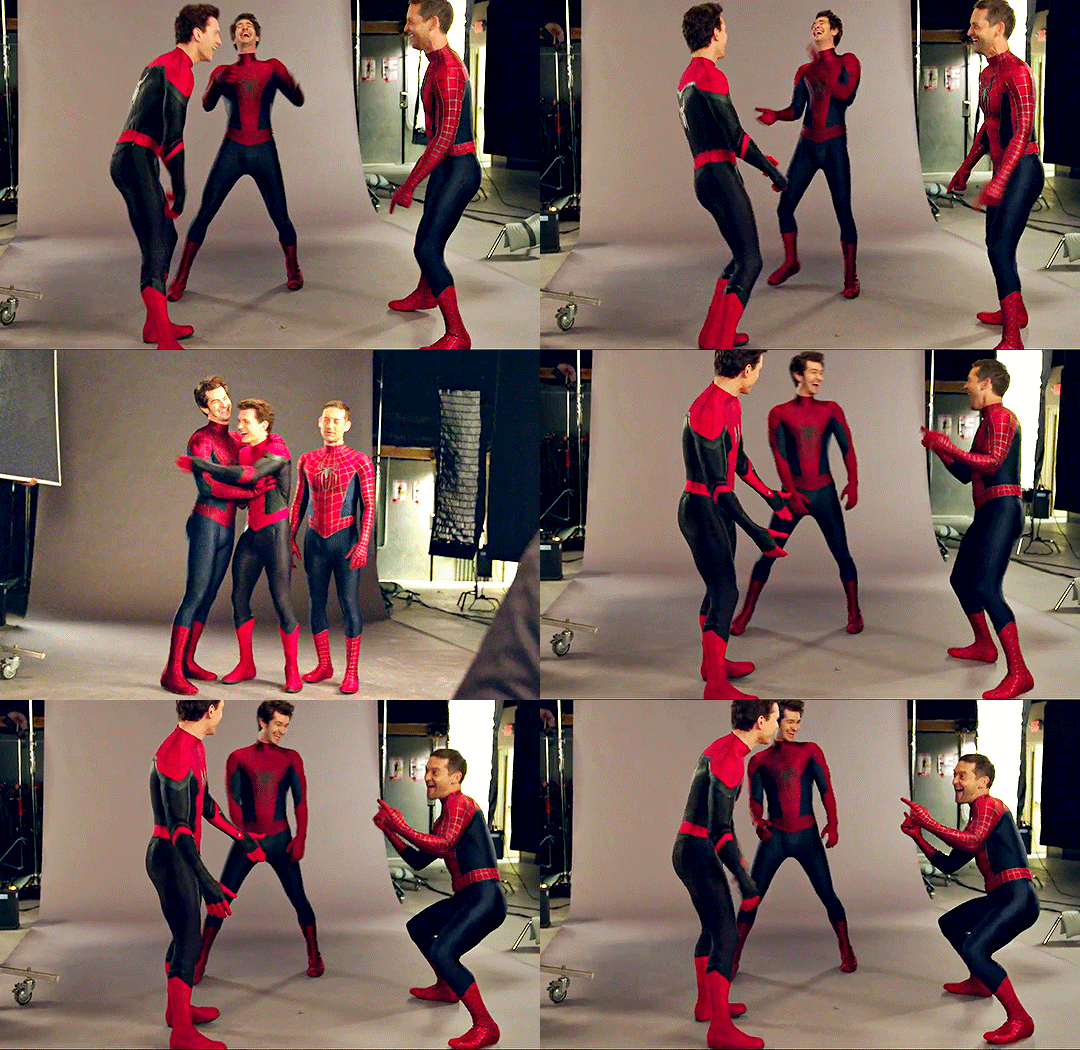
The three different Spider-men in this gif are how I imagine my 20s, 30s, and 40s.

-Ryn Baginski

Posted in Another New Era | Tagged , , , , , , , , , , , , , , , , , , , , , , , , , , , , , , , , , , , , , , , , , , | Leave a comment

The Magician and the Sun

The 1877 Society (Omaha Public Library Fund) 2018 Prose Contest Winner

Charlotte’s tethers to reality burned away as flames ravaged the two story building. Her full notebooks, her well-loved backpack, her dad’s deck of cards—disintegrating before her eyes. The familiar windows and gold trim disappeared into the smoke, devoured like a starving man’s first meal in weeks.

She hadn’t meant to set her home on fire. She hadn’t meant to mess up so badly. And even though Zuri had warned her, she hadn’t listened. She’d ignored the importance of not getting burned. Now she knew.

People stared at the building in terrified awe. Few spoke, and those who did spoke in whispers. One little boy clutched a squirming kitten as his lip trembled. Behind him were Mr. and Mrs. Byrne, the older couple who lived next door. They often invited Charlotte and her dad to their apartment for dinner, where their limitless collection of peacock ceramics watched.

Fire truck sirens blared in the distance, the cavalry coming to the rescue. They would be too late. As far as she knew, everyone was out, but already loud bangs could be heard from inside the building. The ceilings were collapsing; they would all lose everything.

She turned to her dad who was standing next to her with his eyes transfixed to the building. He rubbed his scarred hands together; they were empty. Most people clung to something they’d snatched on their way out—a phone, a scrapbook, a stuffed animal. The only thing he’d grabbed was Charlotte’s arm as he dragged her to the fire escape. He hadn’t even asked what happened.

When the fire alarms blared, Charlotte had thought about being heroic, running to get some water or a fire extinguisher to fix what she’d done. But she was never good with emergencies, so she’d squeezed her dad’s hand and followed him willingly to the fire escape. As she stepped out onto the metal staircase, the coolness on her bare foot feeling out of place in the heat, she turned her eyes back to the fire. Spots danced across her vision from staring at the flames too long, but she didn’t move until she realized her dad still held on to her. He wouldn’t leave unless she followed.

Now, Charlotte closed her eyes, unable to watch the fire any longer as it destroyed the relics of her life. The flames created colorful shadows on the backs of her eyelids. This fire would not be mastered. 

A few weeks before the apartment building went up in flames, Charlotte wandered around the Renaissance Festival, searching for a distraction from the scene replaying in her mind—her father’s car crash.

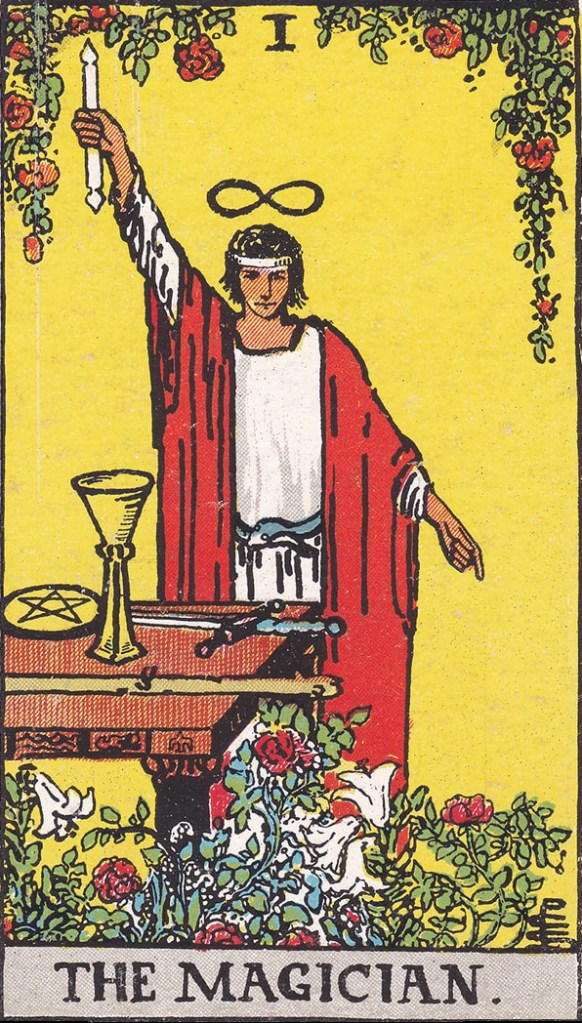
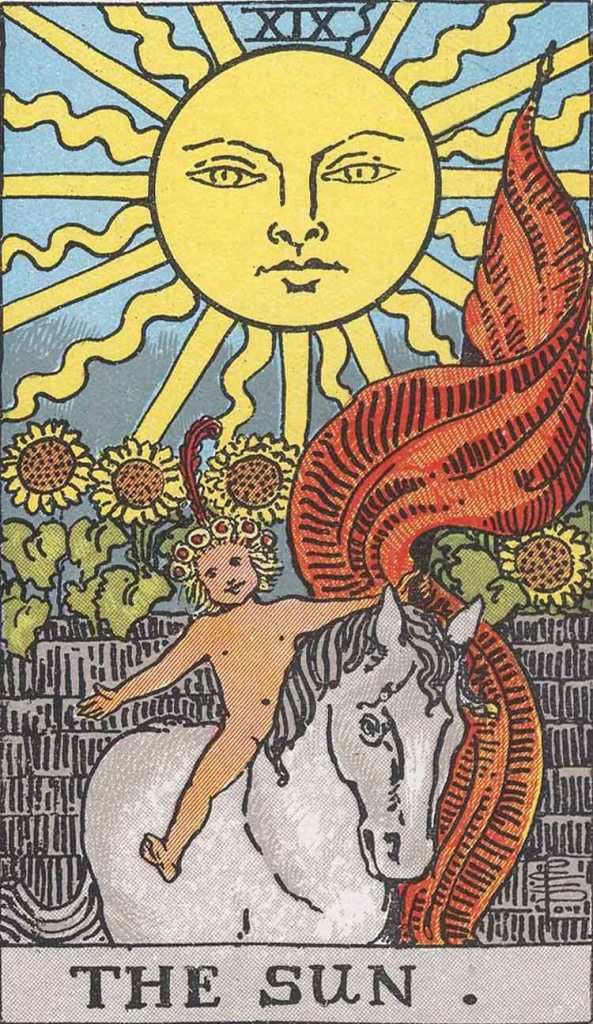
“Would you like your cards read?” Bright red, claw-like nails beckoned to Charlotte, flashing a hand-painted tarot card. Le Bateleur. The Magician. Charlotte stopped short; could this lady be the real deal? The card reader pursed her painted lips and waved another card. Le Soleil. The Sun. Charlotte nodded politely at the woman’s turquoise turban and kept walking, rolling a quarter over her knuckles. Every psychic got one lucky prediction here and there.  

She moved on from the card reader, passing a woman in a green gown with a black, lacy bodice who played a fiddle joyously. People danced around her. Charlotte’s feet shuffled through the woodchips on the path as she bobbed her head along to the fiddle. A boy tore a chunk of meat from a turkey leg, and the strong smell of poultry wafted through the stench of human sweat. Charlotte felt self-conscious in her plain shorts and T-shirt among the gobs of people in period dress until one girl in a full gown and corset passed out from the heat.

Slipping out of the crowd to avoid the anachronisms of modern medics in medieval times, Charlotte sought a place to sit down. She found a cluster of benches that weren’t quite as deserted as she’d hoped, but an open seat beckoned to her aching feet, so she sat down in the middle of the small crowd and drained her water bottle. An empty wooden stage waited for its act. The little girl in front of Charlotte was braiding her own hair, wearing a sparkling tiara and a huge grin. Charlotte wiped the sweat from the back of her neck, wishing her hair were long enough to pull back. Then the fire master took the stage, and Charlotte was utterly incinerated.

Dressed in billowing purple pants, a muscular man sauntered onstage holding a bottle of liquid and a staff lit on one end. He knelt down in the middle of the stage, took an elegant swig from the bottle, and breathed fire. Then the man held out his arms, glowing in the sunlight. Le Soleil. Everyone clapped. He spun his flaming staff once and spit again, the fire blazing longer than Charlotte could hold her breath. The performer introduced himself as Zuri.

Zuri danced with fire like he’d grown up alongside it. He lit the ends of long chains and spun them around in elaborate patterns, the flames travelling precariously close to his arms and neck. He tossed and twirled a staff alight on both ends like a mere baton. Charlotte’s fingers clenched and unclenched in time with his movements. Memories of her dad’s accident melted in the fire’s heat, lead turning to gold.

Sometimes she wished her dad would’ve died when the car hit him so she could at least pretend it didn’t happen. So she wasn’t reminded of it every time she saw his cards lying on the coffee table or studied the picture of the two of them that sat on her nightstand—her dad with a wizard hat on and her with a pink dress. Her eyes were always drawn away from the glittery picture frame and the smiles on their faces, toward the unmarred skin on his hands. Even after dozens of intricate surgeries, his mangled hands haunted her, forced her to use her own hands more often, to gain control over them.

Several times during Zuri’s performance, Charlotte was sure the fire had touched him, that he would cry out in defeat and stop the show, but each time she believed he’d been scorched, he performed something even more fantastic. He back-flipped and spit fire after she thought he’d burned his shoulder. He juggled three flaming torches after she thought he’d burned his side. He spun chains alight on one end after she thought he’d burned his arm. He let the audience gasp and clap while he remained focused on his only task—not getting burned in the most awe-inspiring ways possible.

By the end of the show, Charlotte was sure Zuri had tamed the fire and become its master. In the crowd, the forty-year-old woman beside her, the little girl in front, and the teenage boy to the left all wore the same expression—eyes wide so they didn’t miss anything, chins pointed toward the source of wonder, lips tilted upward as if susceptible to smile any moment. She was sure if people could feel like this all the time, there would be no hate or discrimination. The only thing left would be complete awe for a world that defied the five senses.

The crowd clapped and someone whistled, but Charlotte was rooted to the bench, her head full of smoke. She felt like Zuri had revealed a secret to her, a secret so shockingly wonderful she couldn’t think straight.

As the crowd dispersed, Zuri turned and pointed straight at her. “You. Stay there.” She glanced around, but no one else around her was facing the stage anymore. When she looked back up at Zuri, he had a small smile on his face. She nodded once and slipped a coin out of her pocket, flipping it in the air; she suffered from restless fingers, a trait she’d inherited from her dad.

The fire breather hopped off the stage. Charlotte dropped the coin and pressed her sweaty palms together to keep from messing with her frayed backpack straps. Her dad kept begging her to buy a new one, but her high school career was almost over, and the backpack still performed its basic functions. Besides, its shabbiness matched the way she felt most of the time.

The humid air felt more stifling than before as the performer approached, and she was well aware of the sweat pasting her clothes to her body. Zuri halted in front of her, and his tan muscles seemed to demand all her attention. Those muscles had controlled fire, a force Charlotte previously thought bowed to no master. He offered his hand and flashed a smile that gave Charlotte the sense he’d already earned her trust. A smile like that could be dangerous. “Hello,” he greeted as she took his hand, ready to shake it. Instead, he bent over at the waist and planted a kiss on Charlotte’s knuckles, his brown hair tickling her arm. “I’m Zuri.”

“Charlotte,” she responded, an awkward smile pasted to her lips. She felt like she was standing in front of a room full of people singing “Happy Birthday” to her; she didn’t know where to fix her eyes, or what expression she should have. She hoped she could blow out the candles soon.

“Do you always blush when you say your name?” he asked.

She stuttered out a weak “no” and forced her chin up to face him.

Zuri was not in the least bit phased. She glimpsed some fire dancing in his eyes, even though the show was over. “You remind me of someone I used to know.”

“Who?” she blurted. She wiped away the sweat pooling on her upper lip, wondering how Zuri could perspire so gracefully. She noticed a patch of blistering skin on his shoulder; he really had been burned.

“A friend.” He paused and swiftly turned toward the stage where the little girl with braided hair skipped around, clumsily attempting to copy parts of Zuri’s performance. Zuri turned back, rubbing his shoulder. “Would you come back here at three o’clock? Perhaps we can talk?”

Still entranced by the show, Charlotte nodded without thinking. “Sure.”

Zuri kissed her hand once more, squeezing her fingers. “Thank you, Charlotte.” Then he approached the little girl and, after complimenting her twinkling tiara, joined in her dance.

Charlotte stooped over to pick up her coin and wandered down the makeshift main street with old-fashioned buildings on both sides. She side-stepped a couple of giggling medieval prostitutes with overly rouged cheeks and breasts spilling out of their dresses. One had two teeth missing. Charlotte shivered and rubbed her own crooked teeth.

She whiled the rest of her time away stepping in and out of stifling stores selling corsets, swords and shields, pirate loot, leather-bound journals. Charlotte admired an iron pendant adorned with a dragon, seeing Zuri’s face in the beast’s features. Remembering the battered deck of cards her dad used to use for tricks, she bought a deck of hand-painted playing cards that resembled the tarot card reader’s. Charlotte pinched the deck between her thumb and forefinger. As she waved her other hand over the deck, one card floated up, sticking out. Then it flew into her hand. Two of hearts. Her dad’s favorite card.

Charlotte smiled and trekked to the wooden stage, quickening her pace past the masked executioner who lamented that no deaths were to occur today. When she reached her destination, she tilted her head back and squinted against the sun’s glare. She put the cards in her back pocket, resisting the urge to open the box and riffle through them. Her dad always had a way with cards; they were like an extension of his body. The two used to play princess and wizard. The wizard would perform for the princess and her court of stuffed animals. Her dad would fix broken strings, pull quarters out of the princess’s ear, and end with his newest card trick. Then the princess would shower him with royal favors—hugs, kisses, and invitations to the royal tea party. Her dad had mastered cards like Zuri had mastered fire. Maybe if he’d mastered tarot cards he would’ve seen the car coming.

“Charlotte.” Zuri stood in front of her, now wearing basketball shorts and a white T-shirt advertising Relay for Life. She could see the bulge of a bandage on his shoulder where he’d been burned. “Care for some cinnamon almonds?” He offered his arm, nodding toward the food court.

Mustering up a shot of courage, she took his arm and asked, “Who do I remind you of?” Readjusting one strap of her backpack, she noticed a dark spot of sweat on her shirt. Her hand stuck to his forearm; Charlotte wanted to remove it immediately.

“Vi, my friend. You look like her.” Charlotte had only recently cut her black hair to chin length. Vi must’ve had short hair. Or maybe she had a nose as big as a beak and a splotchy birthmark on her neck.

The savory smell of turkey legs and various fried foods attacked her nostrils like they’d stepped in the middle of a medieval swordfight. She peeled her fingers off of Zuri’s arm to fish the water out of her bag, taking a gulp to wash out the overwhelming taste of the food court atmosphere. “How did you meet?”

“We met at dance class. I was the only boy. She was the only lesbian. We bonded over our minority status. Here we are.” Zuri approached a booth boasting several types of roasted nuts, purchasing a bag of cinnamon-covered almonds.

They sat at a bench away from the food court’s aroma. Charlotte removed the deck of cards from her back pocket, not wanting to smash them beneath her. Tomorrow she would visit her dad in the hospital; she would bring him some magic. It was the only thing she could do.

“Is your shoulder alright?” Charlotte asked, eyeing the spot she’d seen the burn.

Zuri nodded and patted his shoulder. “The fire keeps me humble.” Charlotte couldn’t imagine feeling humble while mastering fire, and was about to say so, when Zuri’s dazzling grin returned. He eyed the deck of cards. “Would you like to see a card trick?”

She narrowed her eyes skeptically like she would’ve at her dad. He used to try to impress his princess with new tricks. Now the princess knew some tricks of her own. Charlotte plopped the deck onto the bench and plucked an almond from the bag. She couldn’t even taste the nut beneath the sugar coating. “On one condition. If you cut the deck to the queen of diamonds, I get to show you a trick.” The cards infused her with more courage than even a genie could grant her.

“Okay.” Zuri split the deck neatly in half and flipped over the top card. The queen’s piercing blue eyes stared tauntingly up at him, her red diamonds glinting. Zuri laughed and held his palms up in surrender. “Astound me, wonderful magician.”

Secretly proud she’d awed the fire master, Charlotte waved a hand over the deck, and it jumped into her palm. “Pick a card.”

After he put his card back in the deck and shuffled several times, Charlotte made the card jump to the top. He made her repeat the trick several times before asking for a new one. And once she’d performed half the tricks she knew, Zuri begged to know how she did them, how she manipulated reality that way. “The cards obey me,” she said, gathering the deck Zuri had sprayed at her. She’d caught his card between two fingers, which had the desired reaction, but she wished she’d chosen a less messy trick.

“At least teach me the easiest trick you know. Please.”

Charlotte riffled through the deck, tilting her head up toward the sun’s glare. Spots invaded her vision even after she looked away. She realized her dad had been out of her mind for at least an hour; that had to be a record. “Alright. I’ll teach you, if you teach me.” Charlotte grabbed Zuri’s hand and pressed the hand-painted deck into his palm. “Teach me how to breathe fire, and I’ll teach you magic. Deal?”

Zuri’s fingers curled over the deck. “Deal.”

The next night, darkness swirled around the two magicians. Persistent clouds blocked the moon. La Lune, the Moon, the life of the soul. Hours before dawn, the empty lot near Charlotte’s apartment building became truly empty. Without light, littered cigarette butts and broken glass vanished into patches of half-dead grass. Charlotte could almost imagine she was in a park, surrounded by towering, ancient trees that whispered in the breeze.

Her soul basked in the flickering light of Zuri’s torch, La Lune forgotten in the brilliance of the fire. Charlotte had just kissed her dad on the cheek at the hospital and, hoping to cheer him up before another surgery, showed him her latest card trick. She ripped the two of hearts clean in half, letting his scarred hand feel the rough edges. Then she’d swallowed one half and stuck the other between her lips. After a calculated moment of suspense, she pulled the fully repaired card out of her mouth and flashed it toward her father. He’d smiled and clapped, but she never knew if it broke his heart to see what he could not do. His hands were no longer obedient in the ways hers were becoming.

But tonight she wanted to master fire. Card tricks could inspire curiosity and wonder, but they were nothing like the intrigue of working with fire, something that could destroy yet sustain life. Something wild yet domestic. Dangerous yet comforting.

“Okay, I’ll demonstrate first and then show you.” Zuri had pulled most of his hair back into a bun, tucking the stray locks behind his ear.

“I’ve already seen you spit fire. And spin it on a stick. And a chain. And dance with it on a hula hoop. Just teach me,” Charlotte pleaded, tugging on the sleeves of her dark jacket, which might have been overcautious. She used to sneak a blanket and book out here on the nights her mind was too busy for sleep, but the trees had been chopped down earlier in the year, so the lot was now visible to the apartment building. One of the Byrnes was always peering out the window, looking for something to whisper about.

“Learn by observation,” Zuri responded, bringing the alcohol to his lips with a smirk. He held up the torch with a theatrical flourish, and he spit. The fire flared up in the sky and illuminated his face. The puff of smoke remained like a shadow of possibility. Zuri wiped his mouth with a cloth and pointed the torch straight at Charlotte’s heart. “Ready?”

“Yes,” Charlotte said, taking the torch and holding it away from her body as Zuri had done. Her grip tightened then loosened cautiously; she was sure everything hinged on the smallest movements of her fingers.

Zuri shook his head and seized the torch back. “Not yet. You have to practice spraying.” Before Charlotte could reach for the torch again, he slid a water bottle into her hand. “Hold your hand out like this. About eighteen inches from your face. And practice blowing a powerful spray past that hand.”

Charlotte poured water into her mouth, stretched out her arm, and keeping one eye on Zuri, blew. The spray barely misted her hand. Instead of laughing at her like she expected, Zuri merely picked up a water bottle of his own and demonstrated. Charlotte studied how he puckered his lips, how much air he drew in beforehand, how quickly the water spewed out of his mouth. The stream flew solidly into his outstretched hand; he shook it dry.

Sipping more water, Charlotte rubbed her hand against her thigh and held it out. She concentrated on copying Zuri exactly. She blew and felt a slight mist on her palm. Not good enough. Without lowering her hand, she sucked air into her lungs and drank more. She momentarily closed her eyes, imagining this water would transform into flames once it left her mouth. One, two, three; she opened her eyes and blew. She felt rain on her palm and glanced up at the sky where the mist dissipated into the air. Charlotte’s small smile provided the only hint that she’d succeeded; she couldn’t be proud of something any blowfish could do.

Zuri relit the torch. Charlotte tried to focus on Zuri’s words, his last minute advice, but the fire played tricks with the shadows, toying with Charlotte’s sanity. He twirled the torch and handed it over, his face obscured in the darkness. “Here’s the paraffin.” At his companion’s confused look, Zuri said, “Fuel. Take a swig, hold the torch safely away from your body, and spit. Make sure you wipe your mouth afterward. Don’t breathe in; don’t blow if you feel it get too windy. And if you catch on fire, well, I guess you’ll burn.” Zuri shrugged apologetically and handed over the bottle. Charlotte’s eyes darted toward the creases in his forehead, the only evidence of the frown he hid behind a smile. She recognized his last words as the warning they really were: fire can’t always be controlled.

Charlotte faked a scowl, squinted her eyes, and held the torch out with a steady hand. She pushed hair out of her face and tilted the bottle back, nearly gagging on the paraffin. It was like a liquid habanero pepper—all heat, no taste. Her mouth burned, her eyes watered, but she lifted the torch high and blew. A surprisingly loud whoosh filled her ears, and a sheen of sweat coated her face, as the fire billowed through the air. She quickly wiped her mouth with the cloth and stared up at the remaining puff of smoke. She’d just breathed fire.

“I did it,” she said, straightening up to release her coiled muscles. Charlotte felt like a saint, like she’d just performed a miracle. She’d defied the laws of physics. She could leap into a storybook and fit right in.

Charlotte smothered the flame and tucked the dirty cloth into her pocket. Then she chanted, “I did it,” over and over again, as if she didn’t believe it, until she launched at Zuri in a bear hug she usually reserved for her dad.

“Get off me, you heinous dragon lady,” Zuri grunted, laughing at Charlotte until she calmed down.

They continued her dragon training for an hour more, Charlotte insisting on perfecting not only the fire-breathing, but also Zuri’s dazzling stage persona. She tried to convince him to teach her some tricks with the torch, but Zuri refused. Fire wasn’t an easy friend to make. Eventually, Charlotte conceded to taking a break, and they sat down on the knitted blanket she had stuffed in her backpack. The sky was turning pink, but the sun hadn’t shown its face yet. She closed her eyes and took a whiff of the morning breeze mingled with a sweet burnt smell. The paraffin’s heat still lingered in her mouth.

Charlotte shifted in place, pulling the hand-painted deck of cards out of her back pocket. She carried it everywhere. “It bothers me,” she said, shuffling through the deck.

“What does?”

“That magic is all a deception. Fire is so pure and true, but my skills are lies and disillusionment. And they’re the only things I know how to do.”                                                            

Zuri tucked his hair behind his ear and stretched his legs out on the blanket, leaning back on his hands. Then he seemed to change his mind and sat up, holding out his hand for the deck of cards. Charlotte handed it over, curious to see what he would do. “You’re wrong,” Zuri said, fanning the cards out in front of her. Charlotte selected one. He continued speaking as she returned the card to the middle of the deck, and he shuffled. “Magic is art. It’s meant to be interpreted in different ways.” Zuri showed her a card, smiling hopefully. “Is this your card?” Charlotte shook her head no, but she hadn’t seen him do anything wrong. She wasn’t sure why the trick had failed. Then Zuri pointed to her pocket, and she slowly pulled out her card. “Magic shows that we all have the capacity for wonder no matter how much we doubt.”

Charlotte squinted up as Le Soleil peeked over the horizon. Such an honest answer, but she didn’t think she believed it. In any case, it didn’t apply to her. Her dad always showed her tricks to make sure she didn’t lose her appreciation for the unknown. To distract her. To make her smile. For him, magic was art. But Charlotte didn’t know why she found joy in deception. She supposed it was to show her father she was good enough, she could fill his place as family magician, Le Bateleur. Or to somehow make lying morally acceptable, so her conscience didn’t dissolve every time her lips spewed a falsehood. But never for art, never for the pure joy of the act.

“So what’s next for you?” Zuri asked, nudging Charlotte right as she’d taken a sip of water. Some of it squirted out of her nose as she struggled to hold in the rest of the liquid. Then she turned and, tapping in to her hours of training, sprayed it all over Zuri’s face. He laughed and tugged the cloth out of Charlotte’s pocket to wipe off her spit.

“I don’t know,” she answered honestly, wiping water from her chin.

Zuri tucked a lock of hair behind his ear and shook his head. Charlotte wondered why, but was too afraid to ask. Too afraid that Zuri would say something else that illuminated her rotten core. Charlotte picked up the torch lying on the ground next to the blanket, brushing blades of grass off the wood. Maybe the fire would make her more like Zuri. “Let’s do more.”

“The sun’s coming up,” Zuri pointed out, reaching for his lighter anyway. Le Soleil was challenging them to a duel—who could shine more brilliantly? Charlotte accepted the challenge and shed her dark jacket, dropping it onto a patch of dead grass. Zuri lit the end of the torch, and Charlotte felt heat wash over her.

Firetrucks pulled into the parking lot in front of them all, their sirens blaring louder than the crackling flames. People clustered together, feeling safety in numbers despite the fact that fire had no rules. Charlotte thought Zuri had mastered fire, but she should have realized that he was merely its partner. He had burns all over to remind him of that delicate balance, but Charlotte had ignored them.

Zuri had left his torch in the empty lot weeks before, and she’d found it lying near a couple of beer bottles. It looked so ordinary on the ground with a bunch of litter, but she knew how amazing this simple wood stake could be once flames danced on one end. She’d told Zuri she couldn’t find it; he’d thanked her and made plans to visit her the next weekend. The torch waited patiently in her closet, but she hadn’t gathered the courage to practice on her own until today. Then it rained, so she practiced inside.

Charlotte glanced down at the deck of cards she’d had in her pocket when the alarms went off. In all those times she’d been asked what she would save from a burning building, she never would have said a deck of cards, but maybe it was the flames’ way of showing mercy. All this destruction for two twirls of a torch. But at the time it had seemed monumental—she’d seen the beauty in her actions.

Now Charlotte was scared. Scared they’d trace the fire to her, that she’d be labeled an arsonist. She almost wished the building would burn quicker. Her fingers tightened around the deck of cards. None of these people chose this. They didn’t see the beauty in the flames, only the horror.

Charlotte patted her dad’s arm and whispered something in his ear. His fingers finally stopped fiddling nervously with each other, and he smiled. Her dad nodded and squeezed her arm. Charlotte walked toward the little boy and his kitten, who had somewhat calmed down. She paused in front of him, almost stopping to show him some magic like she’d said she would. Then she glanced back at her dad—she was not Le Bateleur—and, smiling politely at the Byrnes, trudged away from her home’s cremation. The deck of cards weighed down her hand, hiding the blistering skin that marred her palm.

-Ryn Baginski

Posted in Fiction Short Stories | Tagged , , , , , , , , , , , , , | Leave a comment

Something’s coming…

And that something is Another New Era for As Cool As Mint Ice Cream!

Writing about what I’m reading, while fun, has made reading more stressful than I’d like it to be. Thinking about Maggie Stiefvater’s concept of “plot bunnies” has inspired me to exercise my creative fiction writing chops more often. My first true love was writing fiction, and what better month to revitalize my first relationship than February?

I’m always thinking of weird concepts for stories (the aforementioned “plot bunnies”) and I often feel stuck on these ideas while trying to work on my longer stories. Solution: write out the short version of the plot bunny and move on! That’s what part of this blog will be from now on: minimally edited short stories from the weird ideas that usually fade into obscurity on my Notes app (like “what if the planet Pluto were housed in the body of a little boy?” or simply “hidden potatoes”). Maybe one day these ideas can become something more, but for now, I just want to take these ideas and run with them without worrying about how good or bad or imperfect they are.

The other part of this blog will still be about my second love, reading, though I’m not necessarily going to only write monthly wrap-ups of everything I’ve read. They might be lists, more in-depth reviews, book tags I see on booktube, general reading life thoughts, and sometimes good old reading wrap-ups. Maybe I’ll sprinkle a few posts about whatever weird thing I decided to research for fun (because apparently that’s a thing I do now…).

My goal is to post in the middle of the month and at the end of the month, one of each type of post. I’m hoping that challenging myself in a way that excites me will reignite the motivation to write for fun that I seem to have lost somewhere along the way.

-Ryn Baginski
Posted in Another New Era | Tagged , , , , , , | Leave a comment

October 2022: How I got locked in a cemetery with the undead

What I Got:

  • Foul Lady Fortune by Chloe Gong
  • Greywaren by Maggie Stiefvater
  • Word Origins and their Romantic Origins by Wilfred Funk
  • The Manticore by Robert Davies
  • Men, Ships, and the Sea (National Geographic) by Capt. Alan Villiers & other adventurers on the sea

What I Read:

  • Only the Dead Know Burbank by Bradford Tatum (DNF)
  • World War Z by Max Brooks
  • One Piece, Vol. 1 by Eiichiro Oda & translated by Andy Nakatami and Lance Caselman
  • Zone One by Colson Whitehead
  • The Forest of Hands and Teeth (audio; reread) by Carrie Ryan
  • The Zombie Survival Guide: Recorded Attacks by Max Brooks & illustrated by Ibraim Roberson
  • The Maze Runner (reread) by James Dashner
  • The Walking Dead, Vol. 1-4 by Robert Kirkman & illustrated by Tony Moore, Charlie Adlard, and Cliff Rathburn

Well, I survived the weirdest Halloween I’ve ever had. But more on that later. First, books!

Usually for October I pick a spooky classic to read, like Frankenstein by Mary Shelley or Pet Sematary by Stephen King, but I decided to do something a little different this year and went with a theme instead: zombies! I already owned World War Z and Zone One, so the leap to a zombie-themed TBR wasn’t too far. (Though I can’t believe I didn’t think to put Pride & Prejudice & Zombies on the list!)

We’re going in chronological order this month, so grab your weapons and pull on your zombie-hunting boots, because it’s a jarring zigzag of a journey!

Only the Dead Know Burbank by Bradford Tatum (DNF)

We’re starting off on a low point—the first book I read this month was not good. I rarely leave a book once I’ve started it, but this book was killing my desire to read.

The rampant sexism and ableism built up more and more until I reached my breaking point: “ululating nipples.” Yes, that’s right, this is an actual phrase used by a published author to describe the female anatomy.

The main character is classic “female character written by a cishet man who is living out a fantasy rather than actually creating real characters.” Bradford Tatum’s passion for classic horror cinema was not enough to overlook his obvious lack of knowledge about women and female anatomy. I mean, he described sex workers’ pubic hair as being shaved into different currency symbols. Who does that?

Even without these issues, this book wouldn’t have impressed me. The writing was lackluster and leaned too heavily on niche knowledge of classic horror films.

The one thing I did like about this book is that the main character’s undeadness had interesting effects on the plot. Two men took advantage of her ability to never die and feel no pain in order to basically create a freakshow without the circus. And her inability to sleep ends up aiding her film directing career. Honestly, though, I would have been more interested in reading about her mother, who was the one who did the ritual to make her undead in the first place during the Spanish Flu.

The target demographic for this book does not include me, and even if it did, I would steer clear of this one.

World War Z by Max Brooks

Just when I thought I was heading face-first into a reading slump, this book brought my reading back to life!

World War Z was a pleasant surprise. I didn’t think it was going to be bad by any means, but it really surpassed all expectations. Where Bradford Tatum’s writing was masturbatory and basic, Max Brooks’s is self-aware and intricate. The oral history format is hard to pull off, but Brooks executes it beautifully.

A few years on from when zombies overran the world, the “interviewer” goes on a mission to take down people’s personal stories before they’re forgotten.

The narrative is so wide-reaching and exhaustive, discussing things about a zombie war/infestation that I never would have thought of—religious repercussions both personal and community-wide, people who take advantage of disaster situations for personal gain, feral children and animals, new mental illnesses, etc. The interviewer goes all over the world to interview people who were involved in the war—not just different countries and regions, but different climates, under the sea, in isolation in the wilderness, even at the International Space Station. If this were a real piece of journalism, I would be impressed by the interviewer’s thoroughness. 

It’s clear that Max Brooks took the time and effort to do research and speak to people different than himself. The author seems to include bigotry, fanaticism, or general assholery to give a more comprehensive view of humanity in crisis rather than using fiction as an excuse to be hateful. Without this, I wouldn’t believe the story, even if it’s not fun to read. The zombie plague doesn’t eradicate racism or homophobia or colonialism or corporate greed; it just changes how these things manifest.

The biggest problem I have with this book is that interviewees’ POVs are rarely repeated. Only a couple have more than one interview section throughout the book until the last chapter called “Good-Byes”. I ended up forgetting names easily because of this, and when they showed up later in other people’s stories or as interviewees, I had to flip back and forth. In order to get the full experience, I think I would need to reread this book at least once more. (And you know what? I might just do that.)

Nonetheless, all the interviewees sounded like real people—and sounded different from each other—which is hard to do with just a couple POVs, let alone dozens.

I am a big fan of the whole meta-media thing where creators pretend that their fiction is a real piece of journalism or documentation. This book includes an “Introduction” describing the circumstances of the collection of these interviews much like a nonfiction book would. Plus, I love a good footnote, and the organization of interviews into themed sections made the narrative more cohesive. 

Damn, who knew a zombie book could be so cool? Not me, that’s for sure!

One Piece, Vol. 1 by Eiichiro Oda & translated by Andy Nakatami and Lance Caselman

This is the only book I read that didn’t include zombies, but it did include pirates, so I still call that a win!

This manga series was hyped up a lot in the booktube community, so I went in expecting to become an immediate fan of these characters. The characters are funny and the story is interesting, but nothing really hooked me as much as I wanted it to. The illustrations are sometimes too busy to be readable, but it didn’t hinder my understanding of the plot much. I’ll probably continue reading the series to see if it gets better (and because I like a good pirate story), but for now, I’m taking a pause.

Zone One by Colson Whitehead

As expected with Colson Whitehead, this is an introspective zombie book. It moves a little slowly, but Whitehead has an ability to choose exactly the right diction. Even if I had to look up a lot of word definitions… The descriptions are visceral, especially when describing the sounds and sights of the zombies’ bodies. 

This story follows Mark Spitz (a nickname, not the actual Olympic swimmer), who is a self-confessed mediocre guy in an extraordinary world. He is part of one of a few teams who are part of a campaign to “clean up” NYC after the military got rid of the larger number of zombies. Post-zombie gentrification.

Unfortunately, the plot dragged at times. This is just the nature of a novel that takes place over only three days and involves more recollections and thoughts than action and excitement. 

This story is not quite hopeful, but it’s not quite hopeless. Somewhere in the middle. This is a world in which detachment from reality and an ability to not care too much are assets. 

Whitehead creates a great satire of our current society by using this zombie plague to discuss mental illness and the wellness industry (PASD—post-apocalyptic stress disorder); corporate sponsorships of the human race’s survival (including alcohol and other unnecessary indulgences); everything becoming an act and everywhere a stage (large-scale public relations that trick those involved as well as those who are watching); and how fitting in and skating by in life can be a defense mechanism (Mark Spitz’s talent for flying under the radar). 

Zone One and WWZ both discuss a lot of the same themes and issues, but while the latter is wide-reaching, the former is narrow. Whitehead uses one man’s experience over just a few days to explain how an entire society responded to disaster. And it’s surprisingly effective. (Well, maybe not so surprising, because Colson Whitehead is super talented.)

While this book wasn’t a roaring success for me, it by no means put me off of reading more of Whitehead’s work. In fact, the writing quality just made me more excited to tackle more of his backlist.

The Forest of Hands and Teeth (audio; reread) by Carrie Ryan

As I was thinking about zombie books I’ve read in the past, I remembered a book I’d previously forgotten: The Forest of Hands and Teeth by Carrie Ryan. In fact, I’m fairly sure I read the whole trilogy in high school. So when I saw that I could get it from the library as an audiobook, I figured I would listen to it again, because I remembered enjoying it.

Mary lives in a society ruled by the Sisterhood and surrounded by a fence that keeps out the “Unconsecrated” (zombies). After her mother dies and she’s forced to join the Sisterhood, she learns that her town has tons of secrets. And even though it takes over a third of the book for this to happen, she and a few others do eventually journey into the Forest of Hands and Teeth. Though I wish a few of them had stayed behind.

The love interest, Travis, annoyed me to no end. His need to be Mary’s only dream is annoying and narcissistic. You can want and need each other without one person relying on the other for safety. Even if you don’t need each other practically or if she has another dream (one that she’s carried forever, might I add) doesn’t mean she doesn’t love you or need you. And even if she doesn’t need you, she’s choosing you every moment, and isn’t that better? Not to Travis.

Listening to this story again made me realize that my love for the “storytelling as survival” theme started early. Mary’s mother passed down stories of the world before the Unconsecrated, and when Mary later finds proof of this world, she passes it down to a child they’re traveling with to give him hope and strength. Plus, there’s a puppy. Who doesn’t love a puppy?

Most of my enjoyment came from the nostalgia of rereading this book, and even though it wasn’t as bad as I thought it was going to be, it’s definitely no masterpiece. But it’s still a good story!

The Zombie Survival Guide: Recorded Attacks by Max Brooks & illustrated by Ibraim Roberson

I’ll be short and sweet with this one as it’s mostly just an add-on to WWZ. It added a history to the existence of zombies, which is something I didn’t see in any other book. It tells stories of zombies in different cultures and time periods. The background was interesting and definitely enriched this story’s world.

I also tried to read The Zombie Survival Guide: Complete Protection from the Living Dead, but I got bored. It was too technical and focused on weaponry to keep my attention from the beginning. This could be the result of oversaturating my reading life with zombie books all at once, so I might pick this up in the future for a little bit of fun.

The Maze Runner (reread) by James Dashner

This is the book that inspired my zombie TBR. I loved The Maze Runner trilogy so much that it was my go-to answer for “what’s your favorite book?” for a good year or two in early high school. (Don’t get me started on the movie adaptation, though. I wrote a scathing review of it for my high school’s newspaper.)

This reread was similar to The Forest of Hands and Teeth, except more disappointing because I had higher expectations.

In The Maze Runner, Thomas wakes up with no memories in a place called the Glade, surrounded by a shifting Maze full of monsters called Grievers. He’s introduced to a mostly self-sufficient community of teenage boys who have been searching for a way out for the past two years. The day after he arrives, the first girl of the Glade arrives and everything starts to fall apart from there.

The “genius kids” theme must have reeled me in, having been successful in previous reads like The Mysterious Benedict Society, and the compelling idea behind the story made the first read so much more interesting. Who thinks of a society of teenage boys surrounded by a Maze full of squishy robot monsters? It’s strange, and it makes the reader want to keep going just to see how everything turns out and is explained. But now that I already know what’s going on and don’t have to figure it out along with the characters, I started to notice other things about the book.

The writing itself was just not as good as I remember. So much is repeated in short periods of time. He’ll say something about Thomas being upset about his lost memories and then a couple pages later will repeat the same sentiment almost exactly. The descriptions of the Grievers are very illustrative, but it was hard for me to picture the Glade and the Maze at all, let alone the characters.

I still enjoyed this book, of course, but I’m sad to say that it’s no longer a favorite.

The Walking Dead, Vol. 1-4 by Robert Kirkman & illustrated by Tony Moore, Charlie Adlard, and Cliff Rathburn

And the journey comes to rest on another low point. I technically didn’t finish the physical book I was reading, which was Compendium 1 (Vol. 1­–8) of The Walking Dead series, so my month was bookended with DNFs. Spooky.

The biggest reason this book failed to captivate me is that I couldn’t stand Rick Grimes, the main character. He’s a sexist egotist and the walking stereotype of a Midwestern cop. Most of it is Rick talking (blowing smoke up his ass, really) or doing whatever he wants “for the good of the community,” and the community itself is intensely male-dominated.

Unlike WWZ and Zone One, the bigotry in this book is not fully self-aware. Robert Kirkman’s take on zombies is really only unique in that everyone is infected with the plague, the bite just being the catalyst for a death and return, rather than the point of infection. Maybe if I’d watched the show, I would be more interested, but the comics just felt lackluster.

I’ll give props to the illustrators, though, because the illustrations are phenomenal. They’re gory without putting me off and detailed enough to add to the story despite the incredible amount of spoken text.

The one thing this book did give me is a weird Halloween experience. I got locked in a cemetery in the dark. Yes, that’s right, locked in.

To try to get myself more into The Walking Dead, I thought it would be cool to go read in a cemetery and get some pictures for my bookstagram. Before I left, I discovered a friendly cat in my apartment building’s hallway. I knocked on doors; no one answered. I left in the hopes that by the time I was back, the owners would have retrieved their pet. This was the first sign that my outing was not going to go as expected.

I arrived at Wyuka Cemetery around 6:45. The sign said the grounds closed at 8. I had plenty of time.

For the record, Wyuka isn’t a super spooky cemetery. It’s basically like a park; it’s beautiful and fun to walk around on the paths. I’ve spent many an afternoon or evening there with a book. Why should this be any different?

At first, all was fairly normal. I did see some people in fancy costumes that were clearly doing some sort of photo op, but that was the only odd thing. I wandered around and got some pictures before finding a tree to sit under and read. It got dark pretty fast, so I tried to read by flashlight for a little while. I quickly gave up; every noise distracted me and I wanted to go home and take a shower.

By 7:15, I was in my car and ready to leave. I pull up to the entrance and stop short… The gate was already closed! Almost an hour early. Did they not see my car in the parking lot before closing up?

I called security to come open the gate and was on my way by 7:30 without any encounters with the undead. But, boy, was my heart pounding. Getting trapped inside a cemetery is the spookiest Halloween experience I’ve ever had.  

Anyway, we all survived Spoopy Month! And none of us (hopefully) had to spend the night in a cemetery! I’m ready for some consistent fall weather even though I’m dreading the incoming seasonal depression looming on the horizon. I’ll try to keep my spirits up with hot chocolate, flannels, and cozy reading nights. I hope you have something to keep your spirits up (or at least not down) during the cold seasons. And I hope no one encounters a zombie any time soon.

Enjoy this video instead of reading The Walking Dead. It’s the same general story and much more entertaining!
Posted in polysyllabic spree, stories | Tagged , , , , , , , , , , , , , , , , , , , , , , | 1 Comment

September 2022: How I finally chilled out and read a normal number of books during a month determined to bury me

What I Got:

  • Oh My Goddess!: On a Wing and a Prayer by Kosuke Fujishima and translated by Alan Gleason & Toren Smith
  • …and the Chinese cliffs emerged out of the mist: Perception and Image of China in Early Photographs by Filip Suchomel and Marcela Suchomelova

What I Read:

  • Say Nothing: A True Story of Murder and Memory in Northern Ireland by Patrick Radden Keefe
  • Frying Plantain by Zalika Reid-Benta
  • A Darker Shade of Magic by VE Schwab
  • Ex Libris: Confessions of a Common Reader by Anne Fadiman

As expected, this was a slow reading month, so this post won’t be a mile long for once. I had to give myself a break before my zombie-themed October TBR, especially since I felt like a zombie for a lot of September. And yes, by that I mean I wanted to eat brains. (Just kidding—I have a sinus infection.)

My undead October TBR

Unexpectedly, half of the books I read this month were nonfiction. Although, full disclosure, I did start Say Nothing in August, but we don’t need to split hairs. It doesn’t matter—I make the rules! I decide when the hairs need splitting!

Whew, the power just went to my head for a moment. Sorry. I’m back!

I’m going to write this post in the order of which books I liked least to most, because I want to end on a positive note. I want to give this curséd September the middle finger. You’re not ruining my fall reading plans! And so we start with the first of two mediocre books:

Ex Libris by Anne Fadiman

Even while including a lot of elitism and a little nonbinary erasure (both products of being written in the ’90s), these essays do make poignant efforts to describe the life of an avid, if not fanatical, reader in their own words. It’s less a book about books than a book about one person’s reading life, more in line with The Polysyllabic Spree by Nick Hornby, which inspired this blog!

Anne Fadiman’s nuclear family were all insatiable and quirky readers, to the point where it’s a little neurotic. Though I definitely relate to the part about compulsive copyediting (example: my café manager wrote out a new task sheet for each shift and I immediately found a punctuation error…), it’s more obnoxious than helpful that they mailed corrections to writers or collected them in a box over decades. I learned very quickly that correcting grammar out loud, or even in writing, doesn’t make anyone happy—unless they’ve asked for feedback—but it doesn’t seem like the Fadimans got the memo.  

Even though this collection as a whole is middling, there are a few clever essays in which Fadiman uses form to make her point—like adding errors to the title of an essay about proofreading, or using footnotes to describe where a quote/idea came from in an essay about plagiarism. Man, I love a good footnote.

These essays are fun to read, but they are a product of their time and so should be approached with some caution. Everyone’s reading life is different, and it’s fun to see how books shape the people we become. Essays are the perfect vehicle for this kind of story.

Frying Plantain by Zalika Reid-Benta

Another collection, Frying Plantain follows Jamaican-Canadian Kara Davis as she grows up in the neighborhood “Little Jamaica.” She has to navigate what seem like warring identities in a warring family with different cultural expectations from all directions.

If all of the stories in this collection were like the last two, this would’ve been so good! Every story between the first story and the final two were merely okay. Reid-Benta starts off so well, with a character study full of the dark humor that can manifest from feeling real-life disconnect in a country to which you have an abstract connection. Reid-Benta gets so close to doing something awesome every time, but she doesn’t quite get there in the end.

I randomly decided to make some bookmarks one day. It was fun!

There are moments of lyricism and emotion, but it was hard for me to be invested when the narrator is so detached from the telling of these vignettes. These should be poignant moments in her life, full of emotion and life lessons, but all sentiment seems to disappear after the first story (told from a child’s point of view, which is inherently emotional), except for a few glimmers in the final two stories (told in numbered sections, adding more umph to each scene).

If she leaves the vignettes aside, I do think that this author could write a really good YA coming of age novel. The author’s note mentions that she was working on a YA fantasy at the time this was published, which I’ll definitely look into if it comes to fruition.

Say Nothing by Patrick Radden Keefe

Say Nothing chronicles the lives of the key players in The Troubles, the violent circumstances surrounding the fight for a united Ireland. Patrick Radden Keefe adds another layer to this already complex history by framing it with the Belfast Project, which was supposed to be an anonymous oral history of both sides of the conflict, and its effect on the aftermath.

I love how this telling of the Troubles centers around the stories people tell about it, and how those stories (whether true or false or somewhere in between) can change history and the present moment. Keefe, who says in a note that he is interested in “collective denial,” makes it clear through his storytelling that how we remember something is just as important as the fact that it happened. The reporting of this story becomes part of the story itself, even influences its ending. A sort of Heisenberg Uncertainty Principle for the humanities.

With the disappearance of Jean McConville and the lives of her children afterward, Keefe constructs an entirely new context—a more domestic, “normal” one—that was affected by the Troubles. The impact is a forceful one, showing how one single event in a host of other tragedies can affect people forever, implying that the world of hurt caused by one group will continue to expand indefinitely. He also uses this tragedy to look at how people attempt to justify actions or attain accountability. The line between morality (subjective) and legality (objective, in theory) is so thin when people refuse to acknowledge that something happened or is happening, when people won’t talk about something and therefore can’t regulate what happens. 

This book was chock full of information and stories, feelings and history, horrors and humanity—sometimes too much at once, but generally well-paced. Keefe tackles this history with respect and conscientiousness without sacrificing detail and accuracy. He makes compelling connections between events and discusses complex journalistic ethics in a real-world situation.

The narrative gets information heavy at times, especially in the middle, but Keefe provides the reader with great writing until the end. In fact, some of the best writing is in “A Note on the Sources.” The final paragraph in the entire book perfectly captures, in just one scene, everything Keefe tells the reader in 500 pages. That, my friends, is great writing.

A Darker Shade of Magic by VE Schwab

The Darker Shade of Magic series has been hyped up a lot, especially on booktube, and I’m happy to report that it lived up to the hype!

Kell, a rare type of magician (and black-market smuggler) who can travel between different Londons, comes across a dangerous and dark magical artifact that should not exist. He runs into wannabe pirate (and bold pickpocket) Delilah Bard who makes herself invaluable to Kell by saving his life and providing companionship on a lonely mission.  

Similarly to how Keefe can capture an entire history in one scene, VE Schwab can capture an entire world in just one city. Even so, I do think it would be fun to explore beyond the Londons. Little references to how different each world is (especially the fallen Black London) left me wanting to know more.  

I hope you, too, have a great fall!

The banter between characters sometimes feels a little canned, not quite natural, in its attempts to lighten tense moments. One thing I do like, though, is that everyone (including the villains) has their own reason for doing what they’re doing, even if they’re working together. No one is working toward the same objective, even if they’re working toward the same goal at the present moment. Often, the plot twists hinge upon exactly why one character has been acting a certain way, especially if that reason conflicts with their allies’.

Certain moments of the plot felt predictable, and the solutions at the end felt a bit too easy/convenient for me to fully believe they’re that simple. The only thing making me want to read the next books is my own curiosity—the possibility of exploring more of the Londons’ worlds, Black London coming back to haunt them in new ways, the characters doing something unexpected. Maybe VE Schwab is banking on this curiosity to build a desire to read the next books, and though it may not work for everyone, it worked for me! I do plan to pick up the next book in this trilogy, not because of the plot, but because the characters and worlds intrigue me. I want to see what they explore next and who they become.

But before that, it’s time to dig up books about the undead! (Maybe I’ll do an iZombie re-watch in October, too. What a great show.) I hope everyone has a great Spoopy Month and enjoys the beginning of fall!

Posted in polysyllabic spree, stories | Tagged , , , , , , , , , , , , , , , , , , , | Leave a comment